
Immersion in the race scenario
Virtual Reality Training
42 Experiences, 11 training areas, one mind to train
Imagine being able to train mentally inside your sporting environment — as if you were on the pitch, on the tennis court or on the trail. With the virtual reality of Sport Psychology Center it is possible: immersive scenarios developed on the basis of research in sport neuroscience, to simulate game situations in a safe, repeatable and scientifically grounded way.
Il risultato: il cervello riconosce la situazione e impara a rispondere in modo ottimale — prima ancora di scendere in campo. Da Calcio e Tennis a Enduro, Golf, Sci alpino, Basket, Boxe e Kart, fino al Rilassamento e alla Mindfulness, alla Riabilitazione e alla Palestra della mente: 42 Experience, ciascuna con livelli di difficoltà che crescono insieme all'atleta.
«Sign up, start your first session, and discover what VR can do for your performance.»

The Experiences of Sport Psychology Center
Football

Attention and Concentration
Pass the ball as quickly as possible to the unmarked player wearing the SPC logo jersey. Identifying the right player and making quick decisions allows the athlete to exercise focus and concentration.

Peripheral Vision and Reactivity
Pass the ball to the unmarked player on your right or left as quickly as possible. The combination of identifying the player in your peripheral vision and quick decision-making allows the athlete to train their peripheral vision.
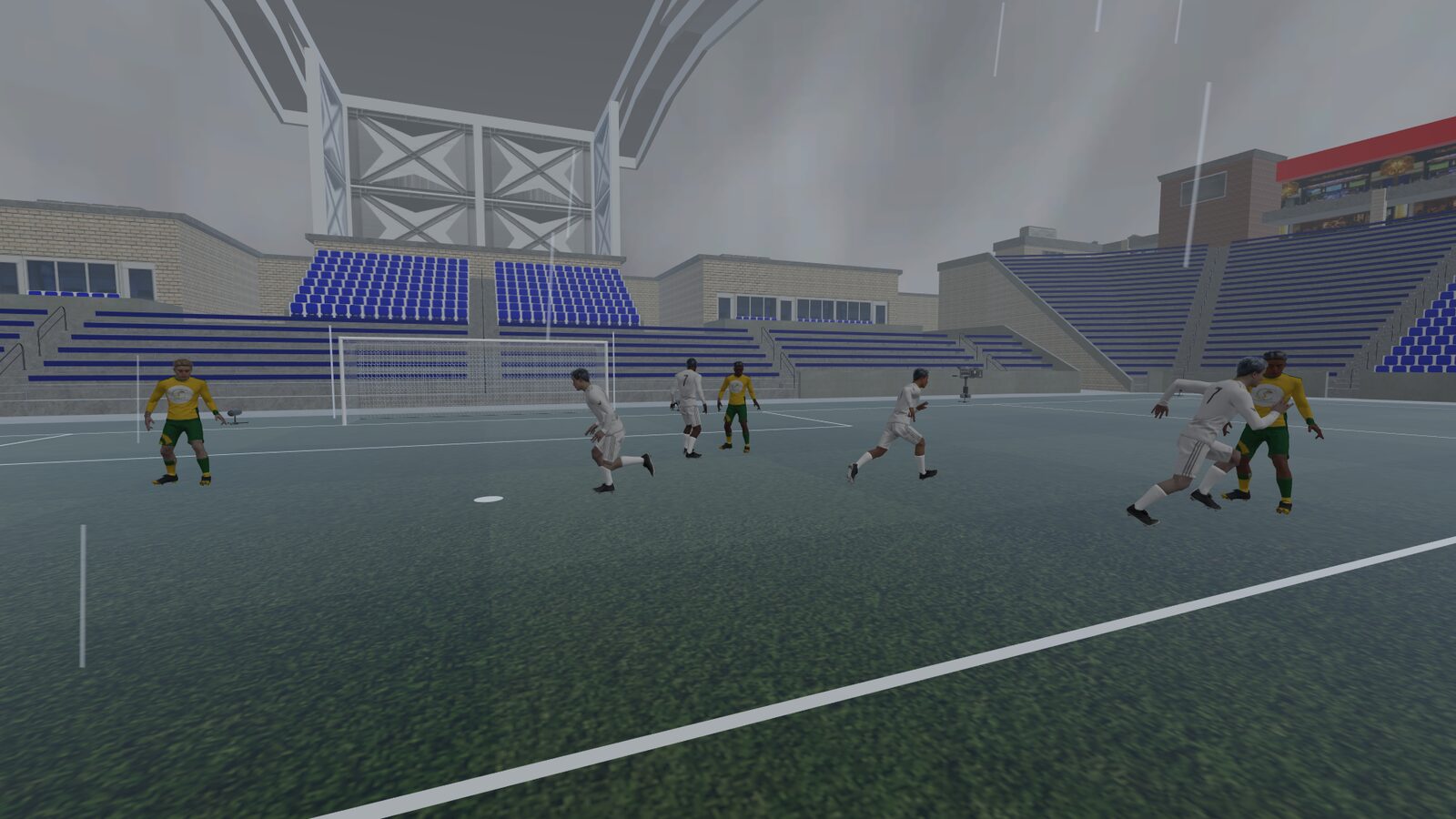
Decision Making
Quickly pass the ball to the stationary player as soon as the opponents move. Reaction speed must always be closely linked to the ability to make the right decision.

Injury Recovery
By visualizing one's body in motion on a training field, the athlete's mind internalizes the movements of the injured limb and prepares for subsequent physical recovery.
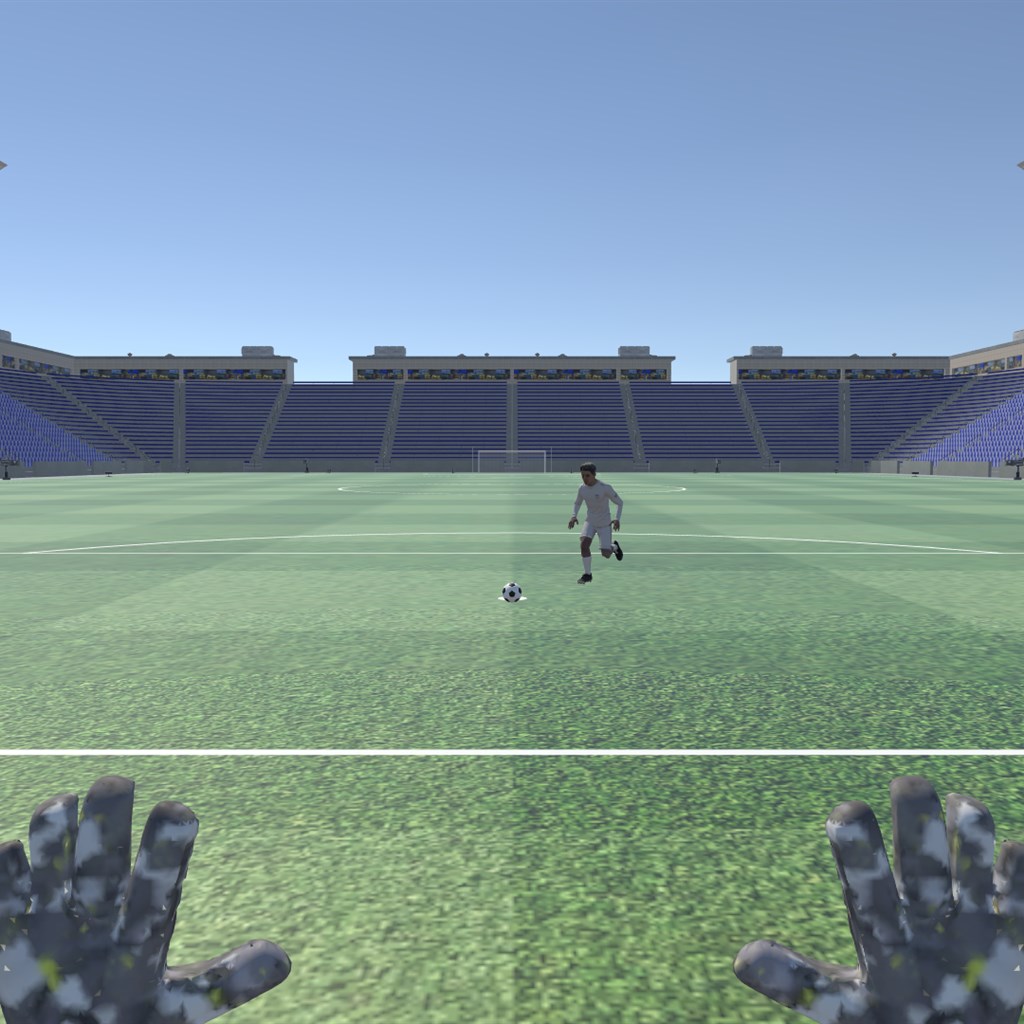
Reading the Shot
For goalkeepers: read the penalty taker's body and choose the corner before contact, without diving early. Four blocks, from the always-visible scene to a series of penalties with a crowd and guided breathing; you respond with your hands, moving the gloves towards the corner as in a dive.
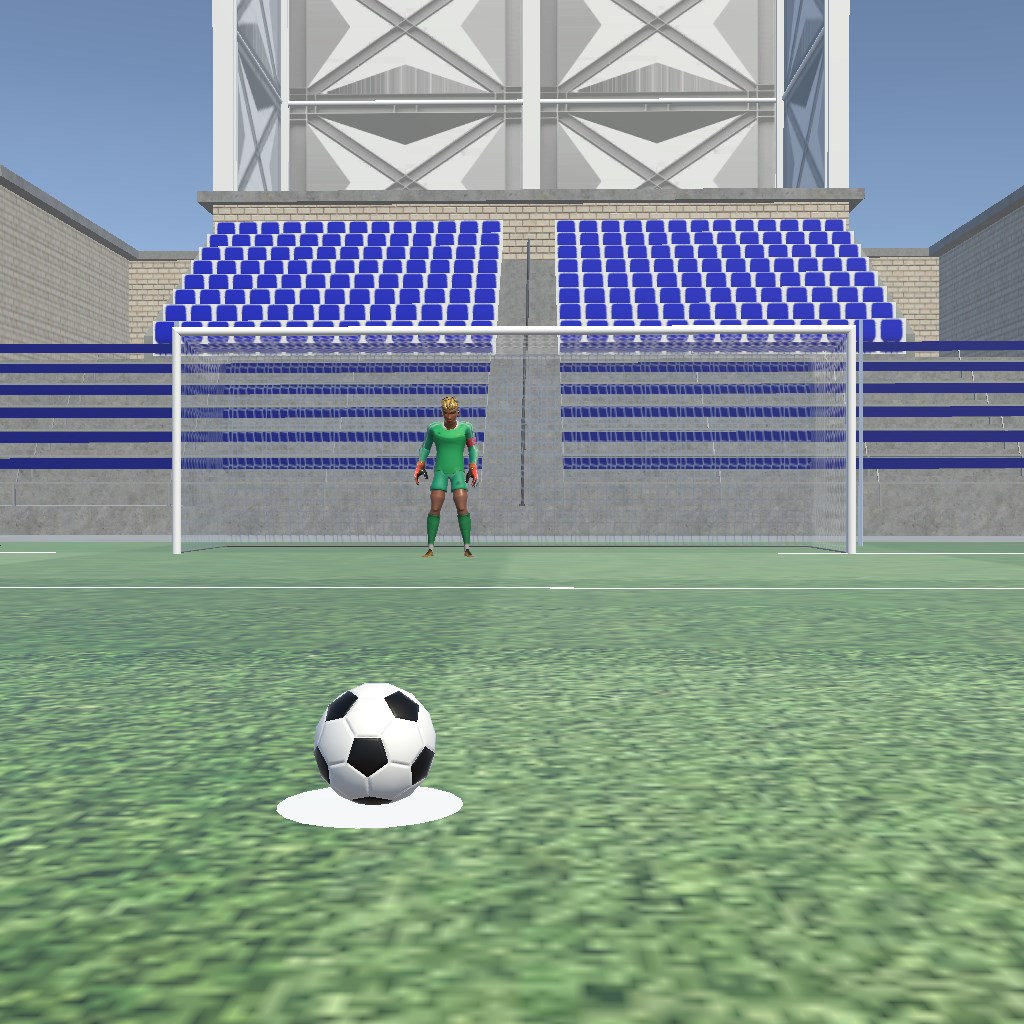
The Penalty
The penalty from the taker's side: routine, a steady gaze on the corner and a shootout under pressure.
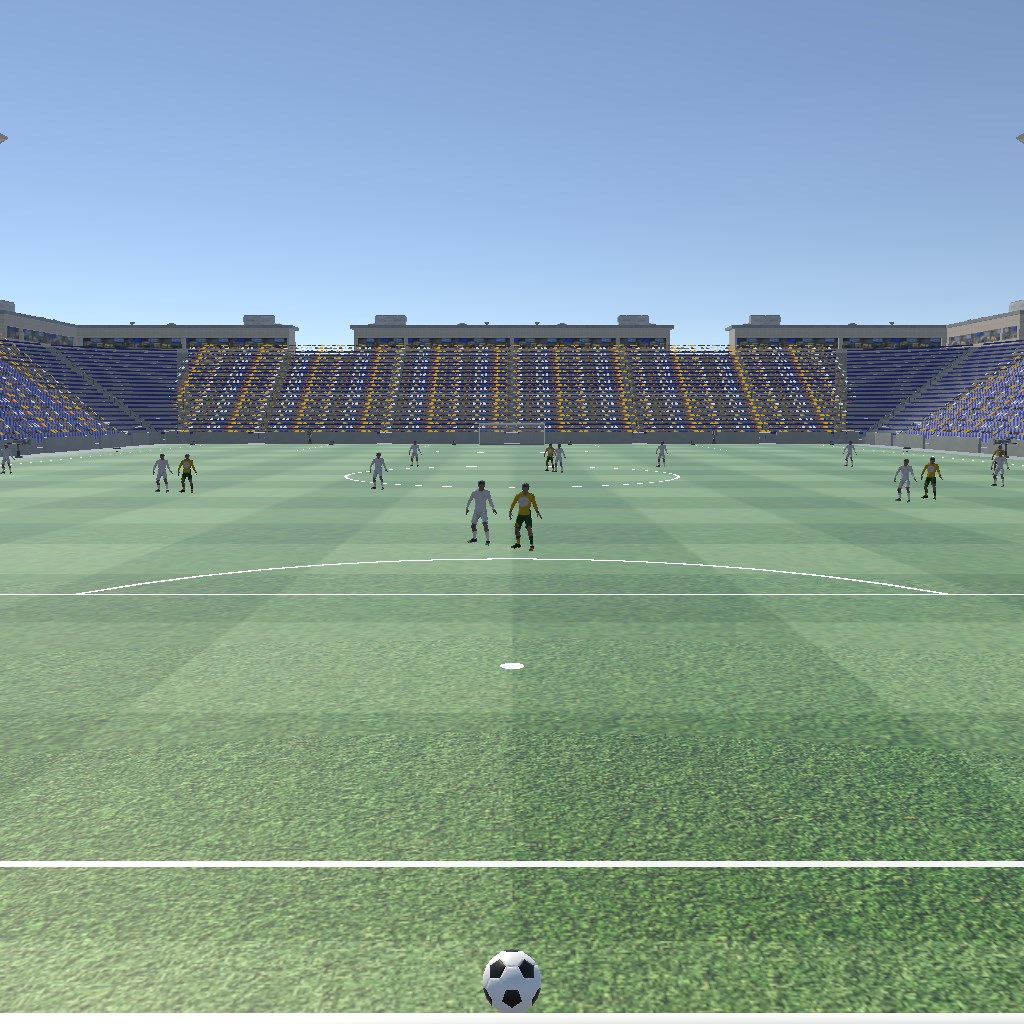
Distribution
The goalkeeper as playmaker: when, to whom and how to restart the team, inside a match.
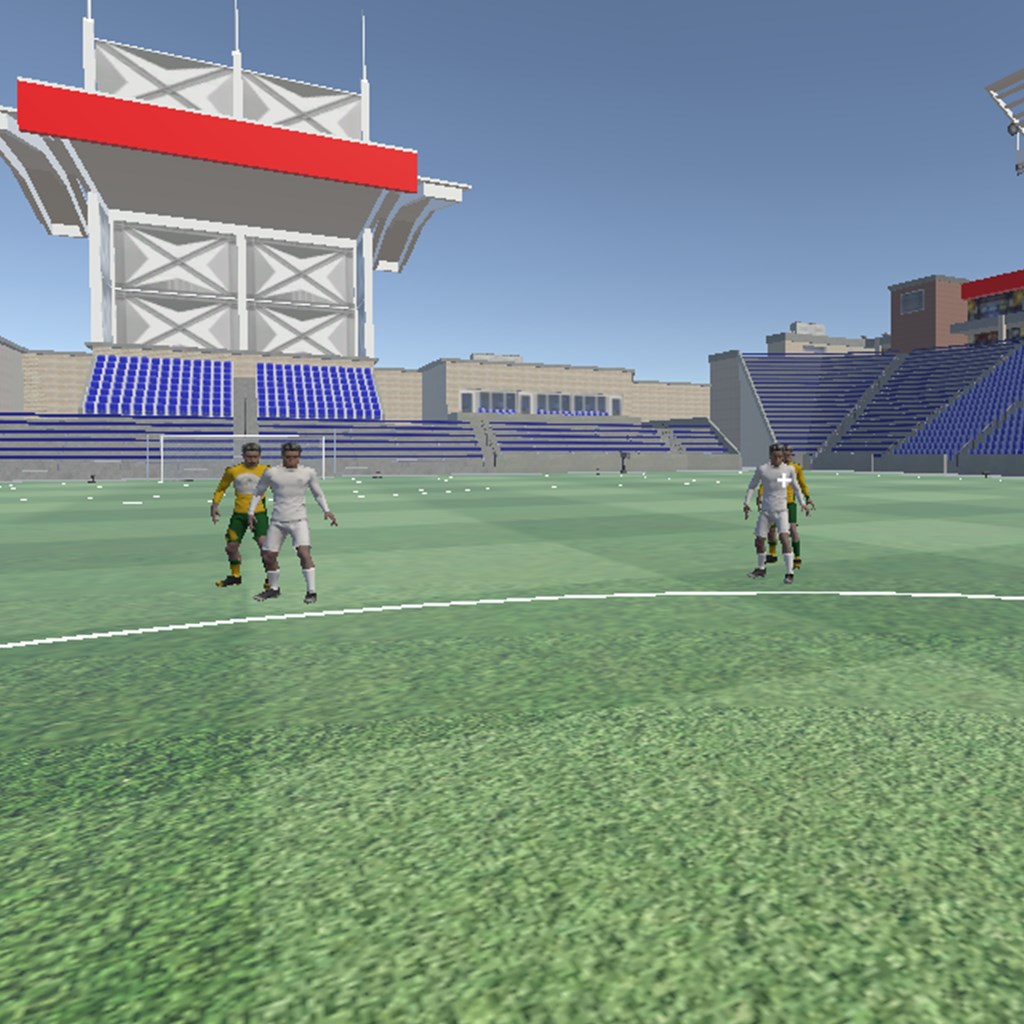
Look First
Look around before receiving the ball: whoever already knows where to play decides sooner. All teammates are marked except one, and you find them only if you have explored the pitch; after every play you see how much and when you looked around.
Tennis
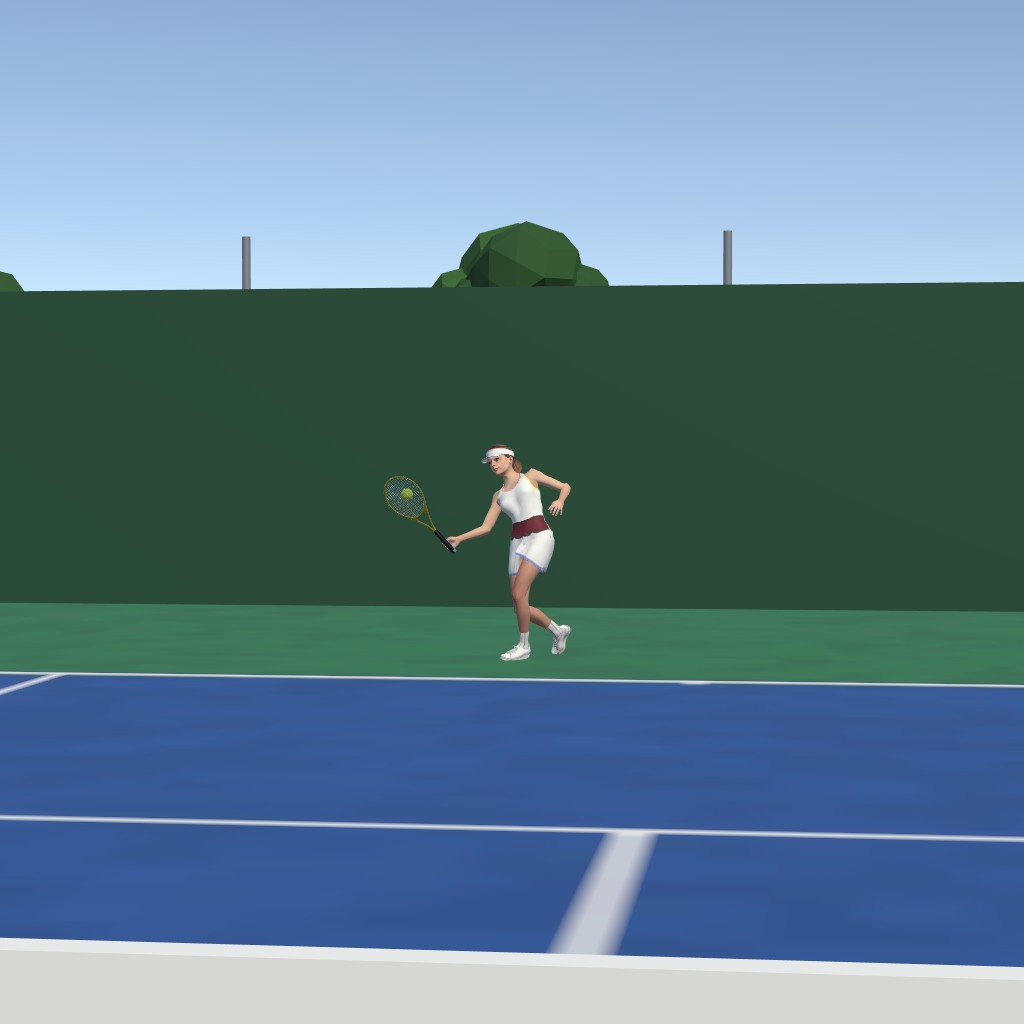
Read the Shot
Read from the opponent's body where the shot will go, before impact. Forehands, backhands and drop shots recorded from a real player: the scene goes dark during the shot, always earlier if you read correctly, and you discover how many milliseconds before impact you already know where the ball will go.
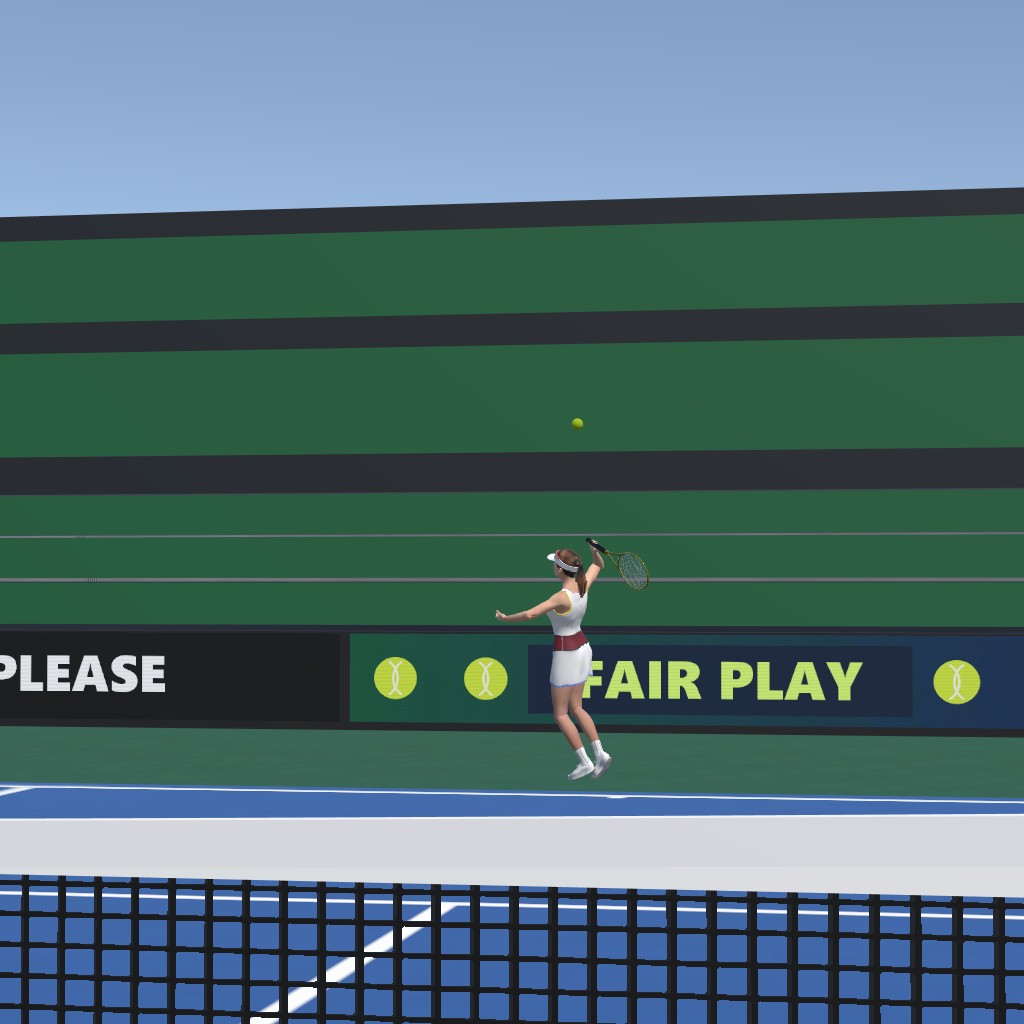
Read the Serve
Read the serve from the server's body before impact, even when she disguises it. In an arena with a crowd you train reading, split-step timing and caution against deceptive serves.
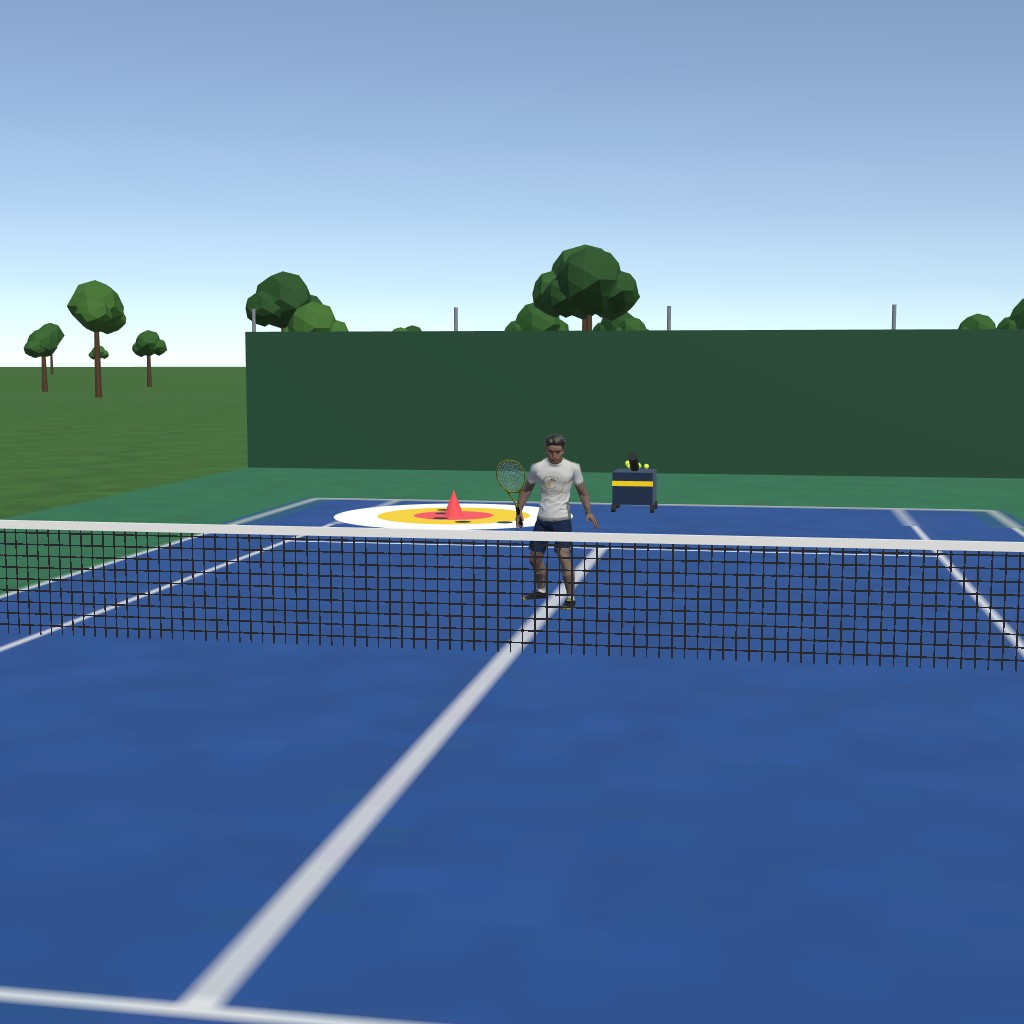
Tennis Precision
Hit the balls fed by the machine towards a target of rings, with your head still at impact: this is the "quiet eye", one of the best-documented skills in sport psychology. The target adapts to you and the last block is a decisive point, with guided breathing and shots that count double.
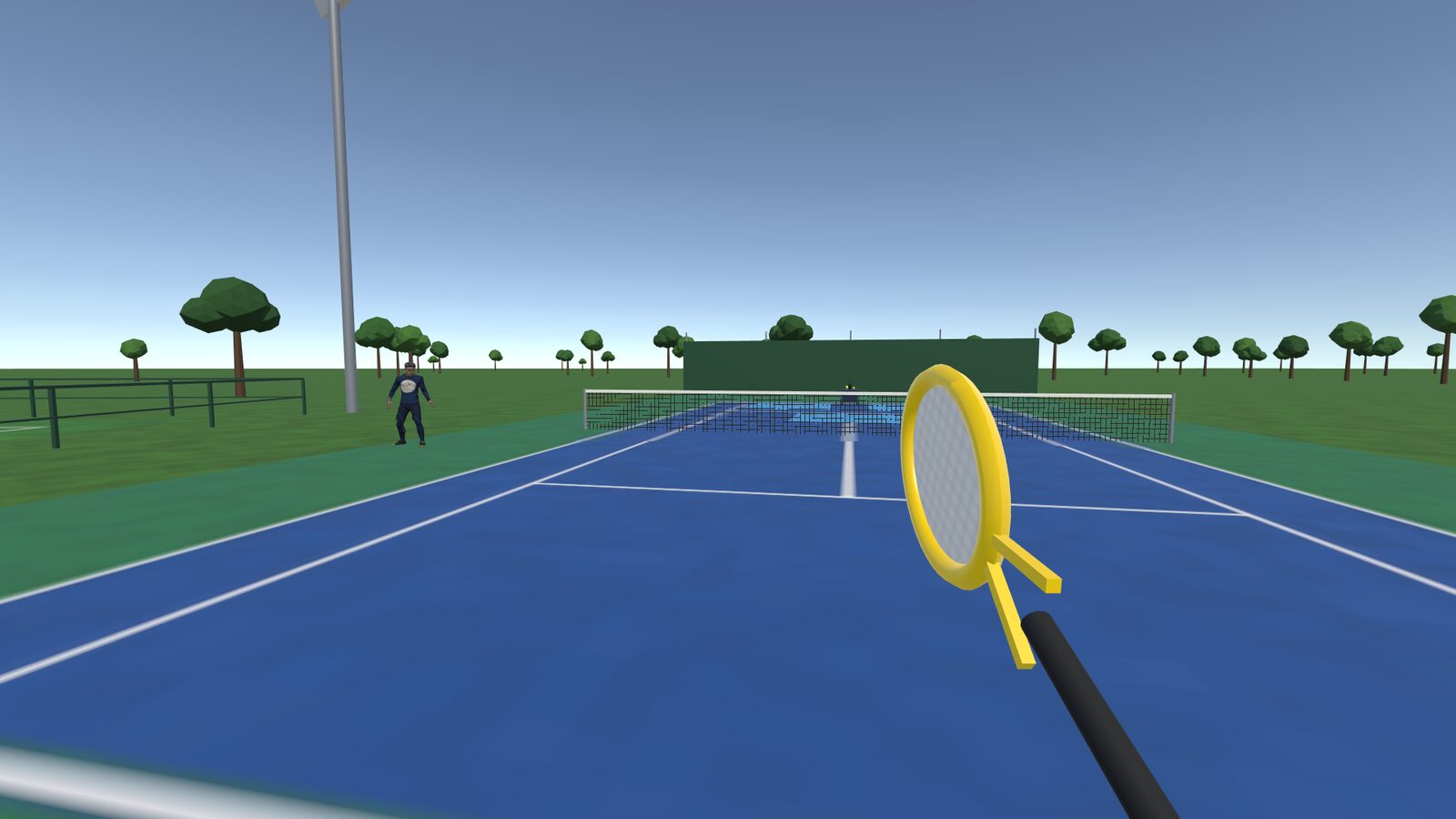
Tennis Recovery
Move around your half of the court and hit at your own pace, with no scores: a way to stay in touch with the technical gesture while you recover from a forced layoff.
Enduro
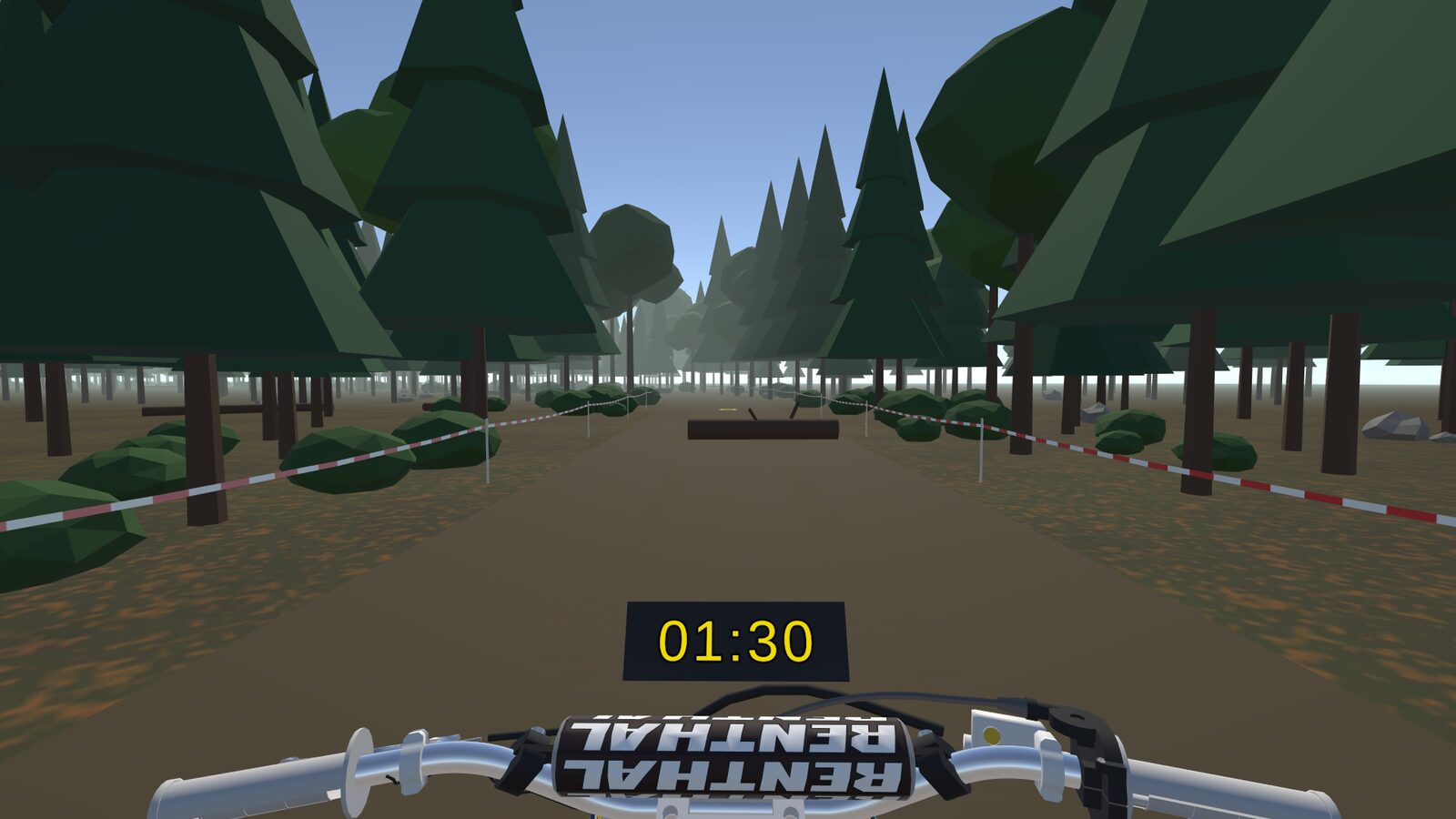
Eyes Forward
The motorbike moves forward by itself along a woodland trail: choose the free line by looking at it in time. The sooner you lift your gaze from the wheel and read the terrain far ahead, the better — exactly as in a real saddle.
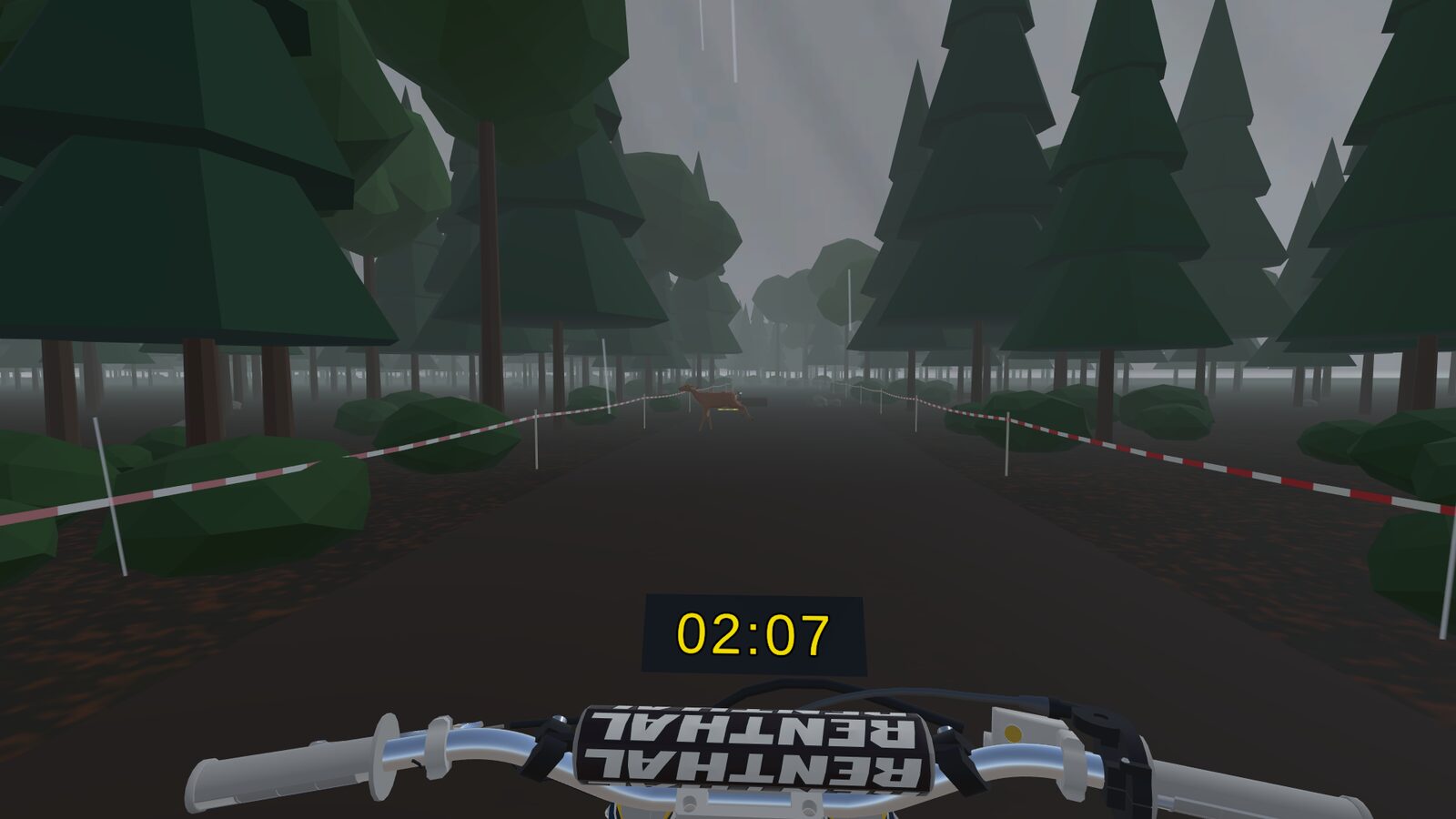
Special Stage
A longer stage, in pouring rain and with animals crossing the trail. After a simulated slip a short reset routine begins — breath, keyword, gaze back ahead — before you restart.
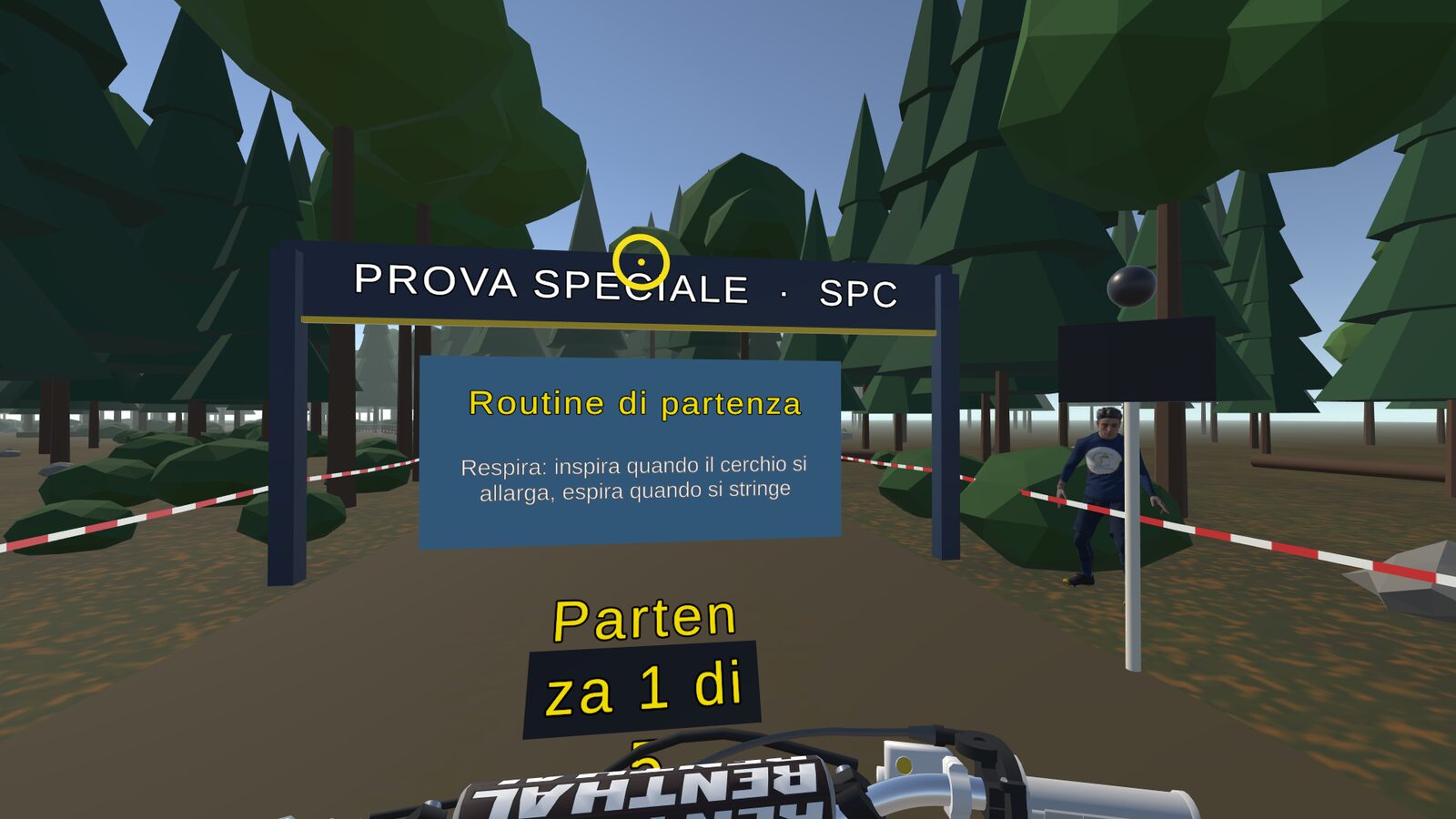
At the Gate
Five starts on the grid, with realistic distractions that grow from level to level: breath, fixed gaze, countdown, green. You train active calm and control of the impulse to start.
Golf
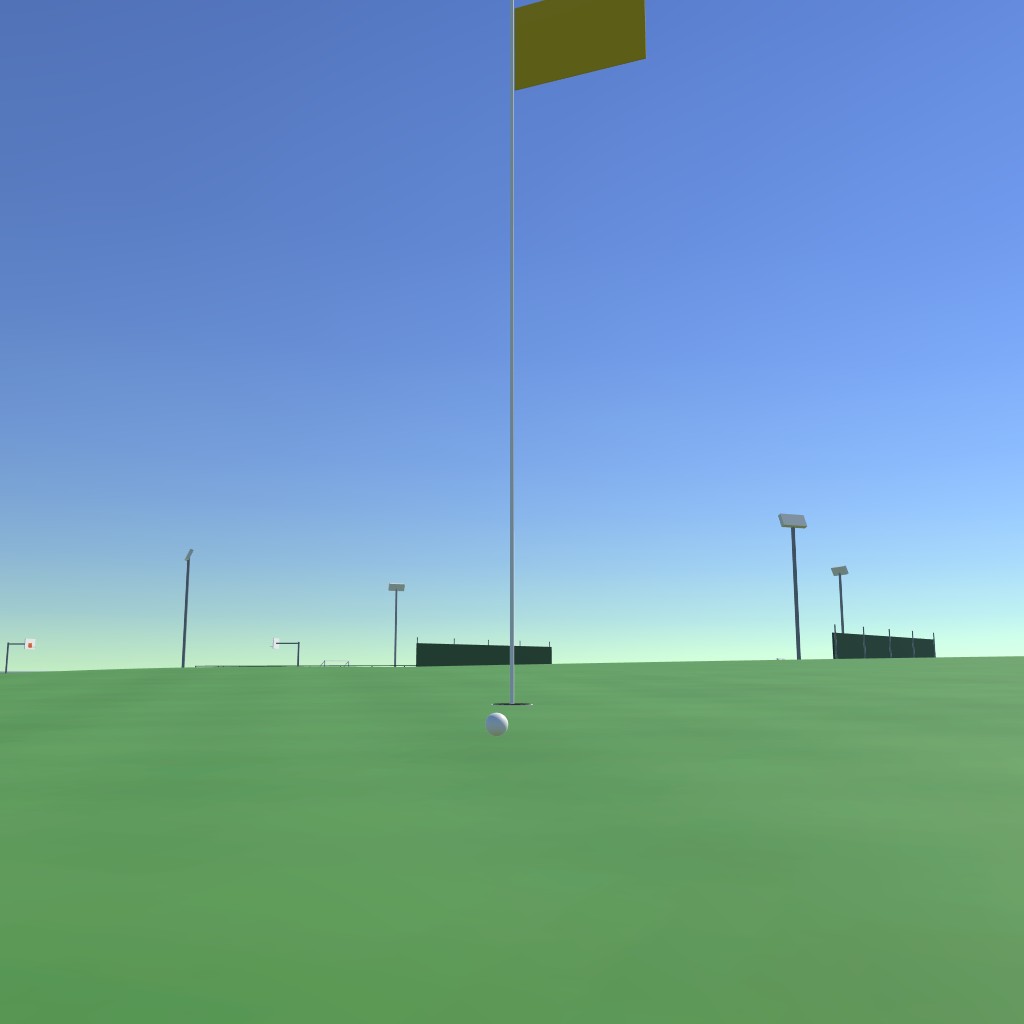
Under Pressure: the Putt
The controller becomes the putter: the ball goes where the face points, as in a real putt. From calibration to the competition with a crowd, you train routine, a still gaze and a still head when the putt decides the match.
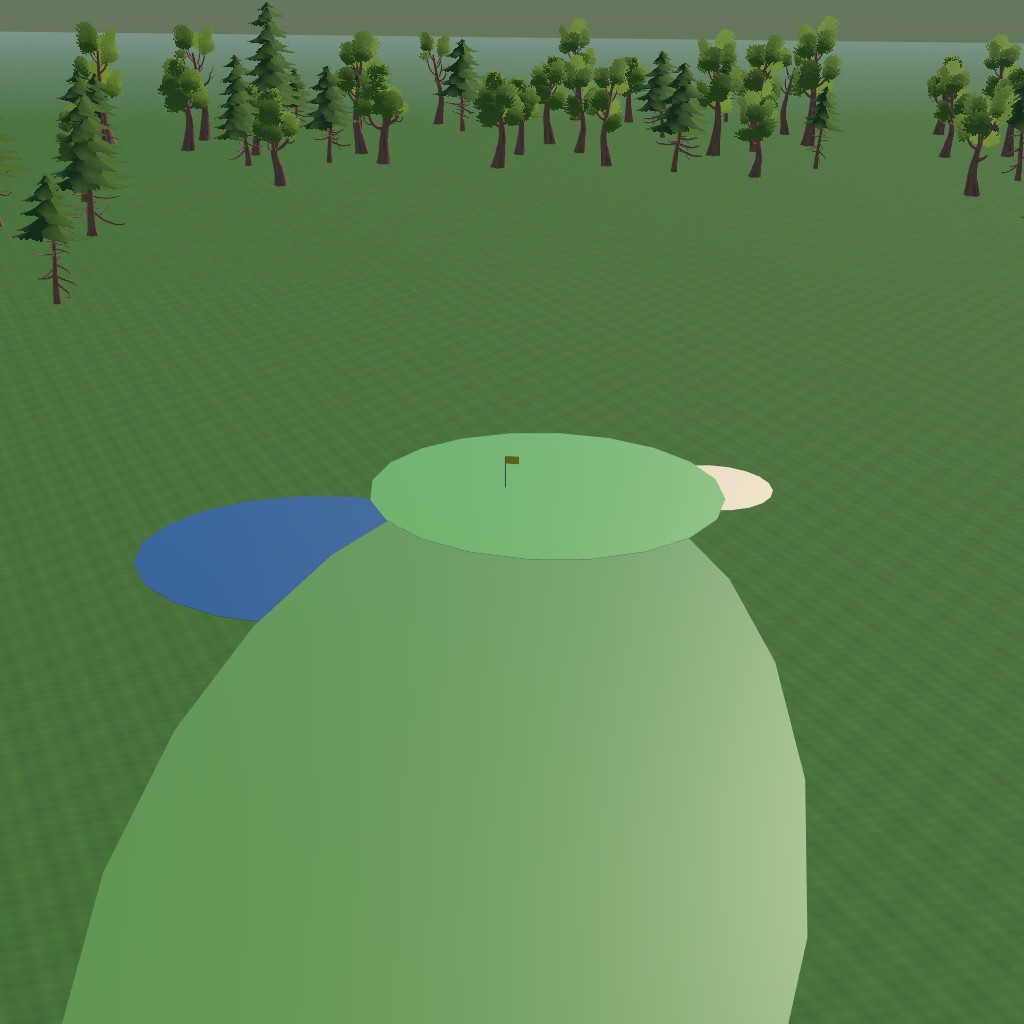
Course Strategy
Aim where you lose the fewest shots, not always at the flag. Choose the landing point on the map of the hole, then play it on the course with water, bunkers and out of bounds to keep under control, and see how much each choice costs you.
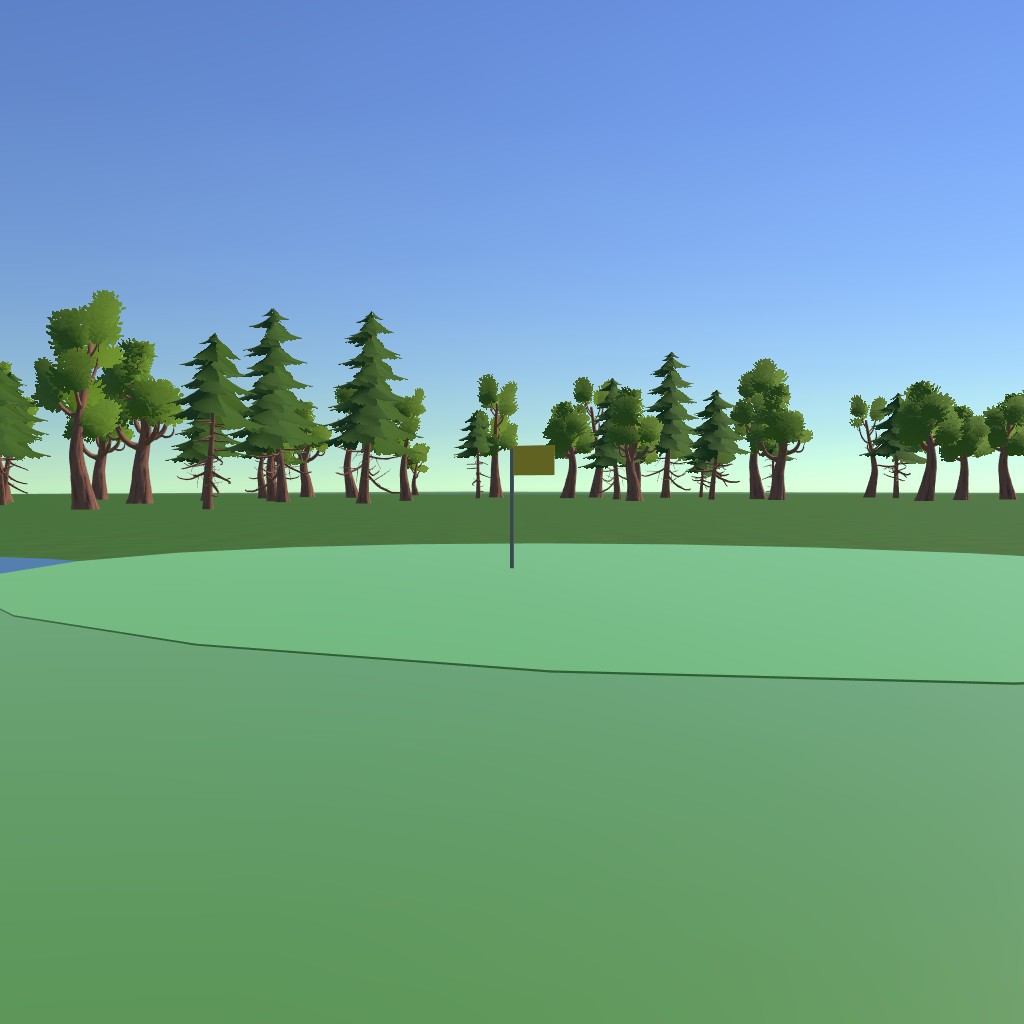
Between Shots
A round of nine holes, each with the same four steps: target, imagine, swing, let go. You train routine, rhythm and breathing, and how you play the shot after a mistake.
Alpine skiing
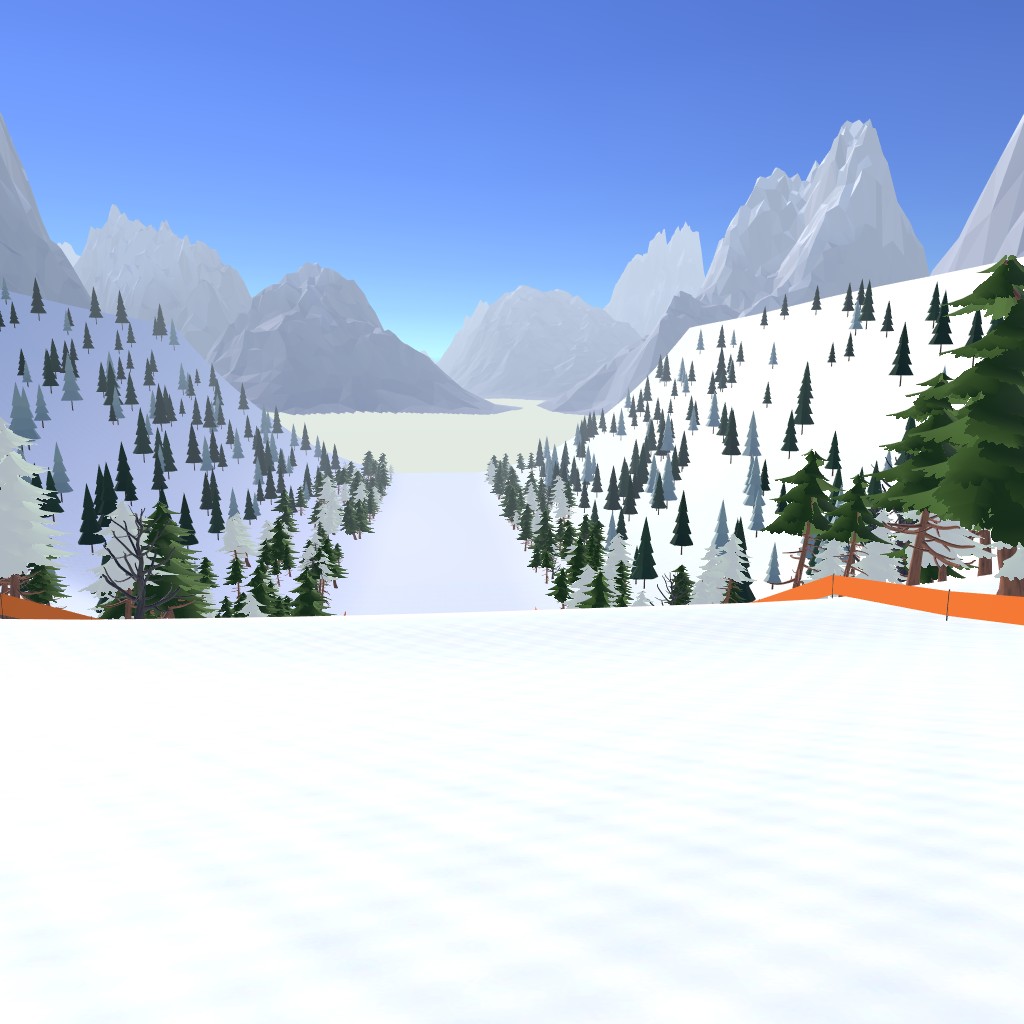
Course Inspection
Like before a giant slalom race: inspect the course, ski down twice and after each run replay the route in your mind. You compare the imagined times with the real ones and train the mental image of the slope.
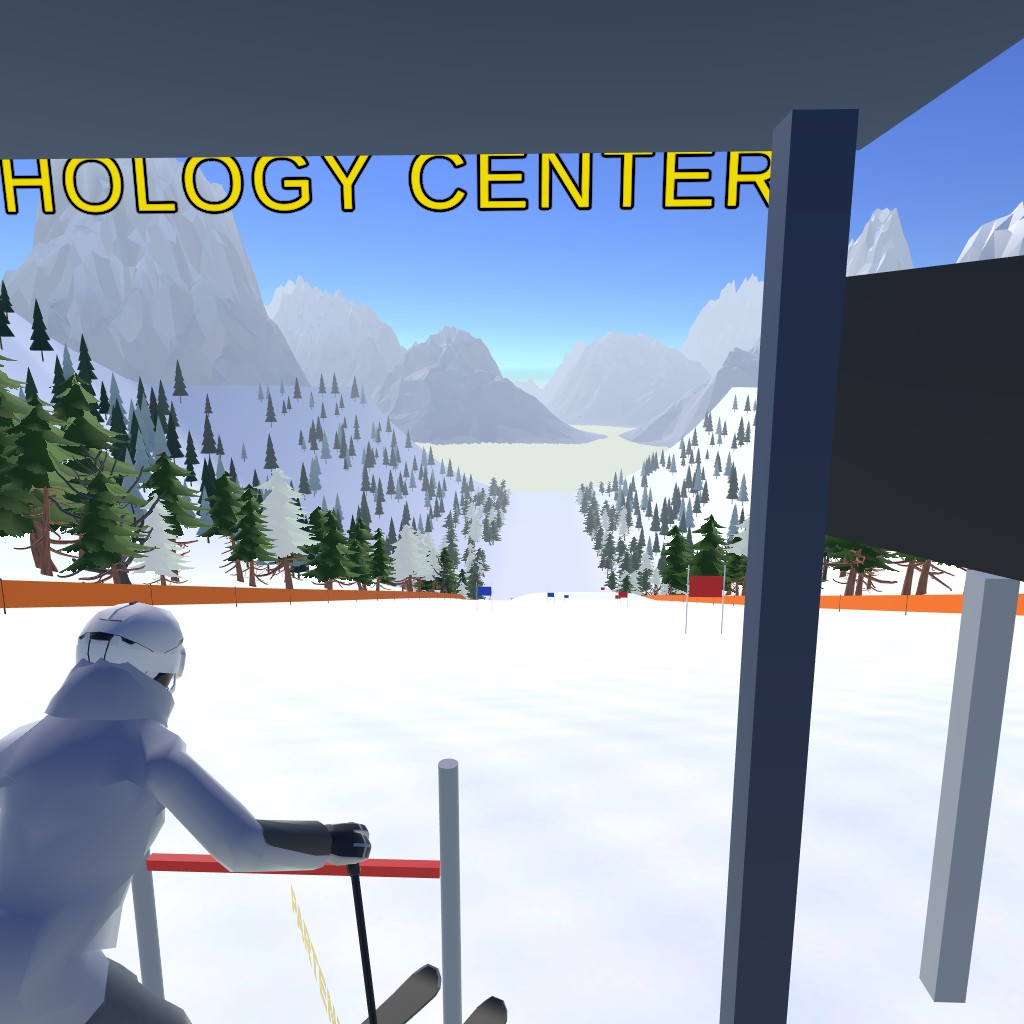
Start Gate
Guided slow breathing, four low beeps and one high one: you start at the signal, neither before nor after. You train preparation for the start and composure when the start is suspended at the last moment.
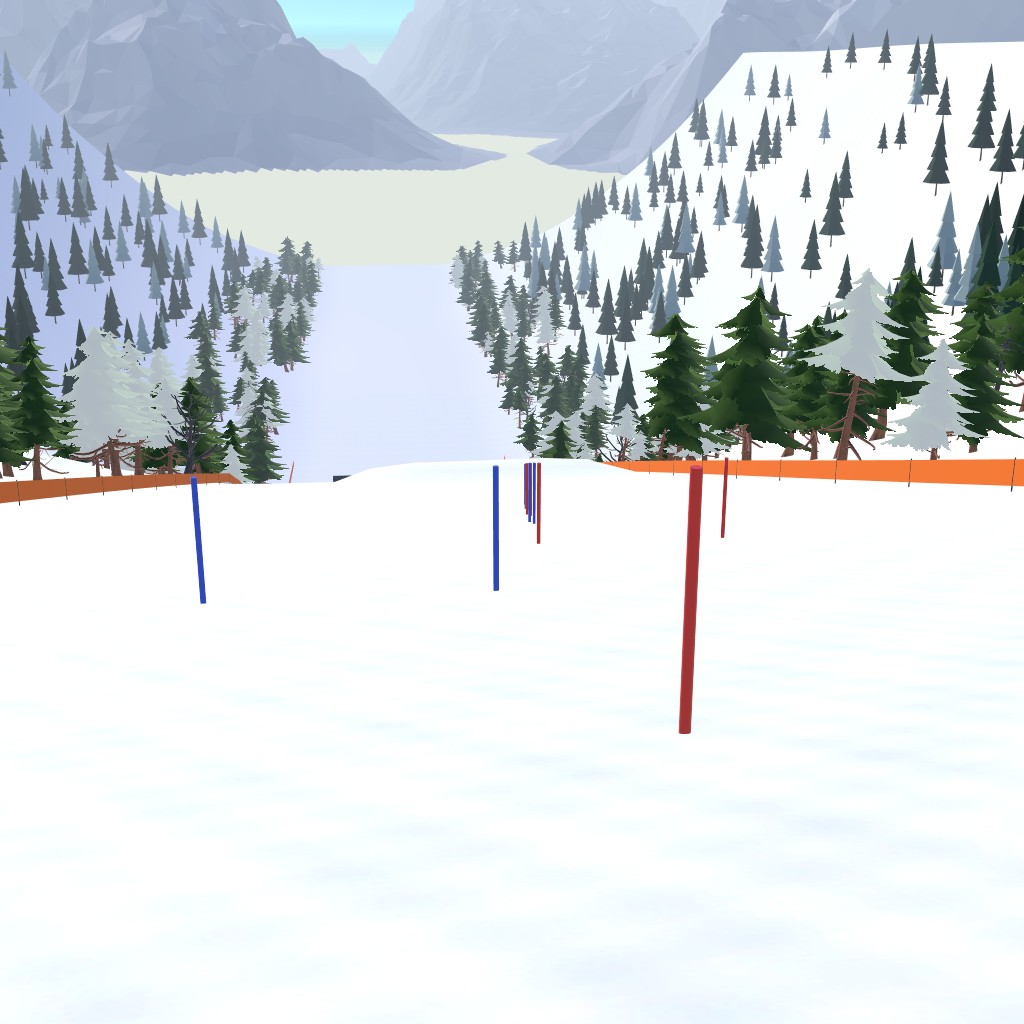
Read the Course
Read the slalom gate combinations before you reach them: the view goes dark and you indicate where you would start the turn. Difficulty grows up to flat light.
Basketball
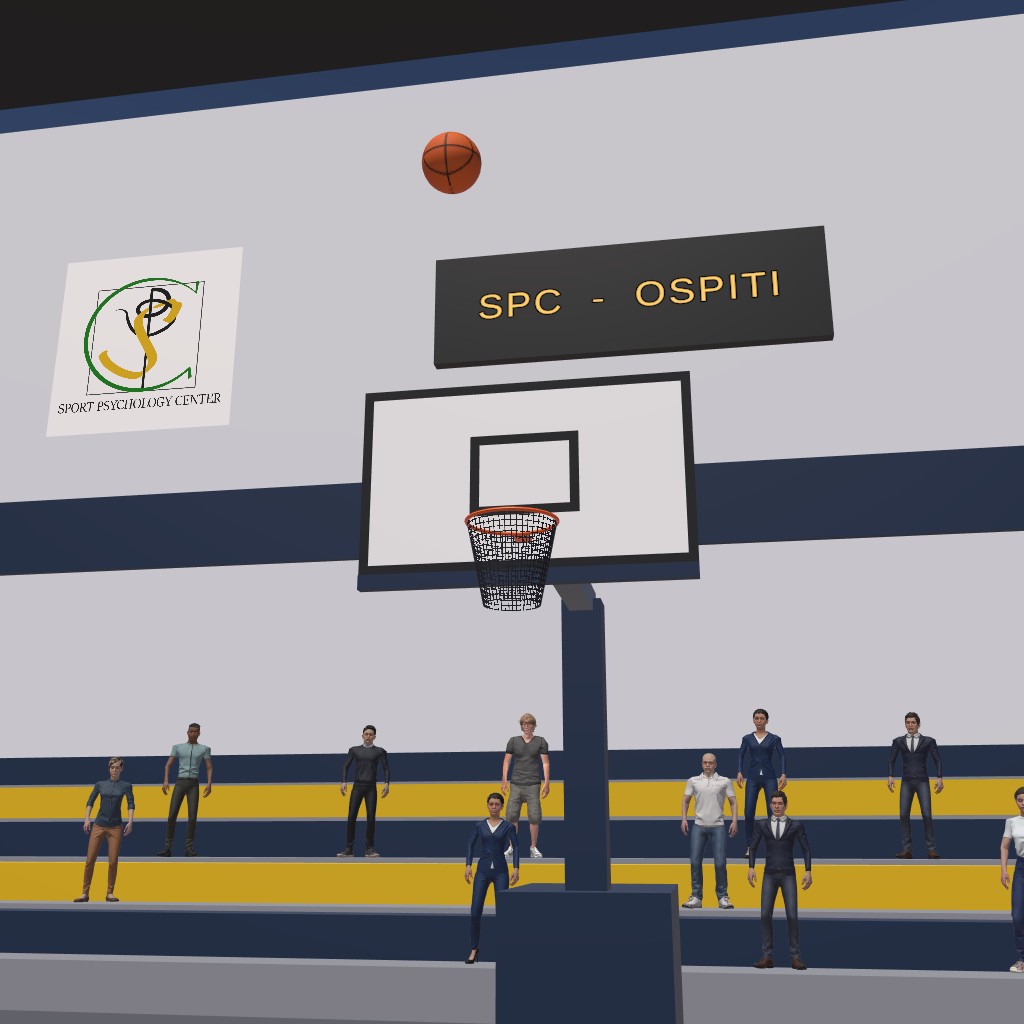
Last Shot
Free throws in the arena: breath, a still gaze on the rim and a still head through to the close finishes, with your heart pounding and the crowd whistling. You train routine and calm on the free throws that decide the game.
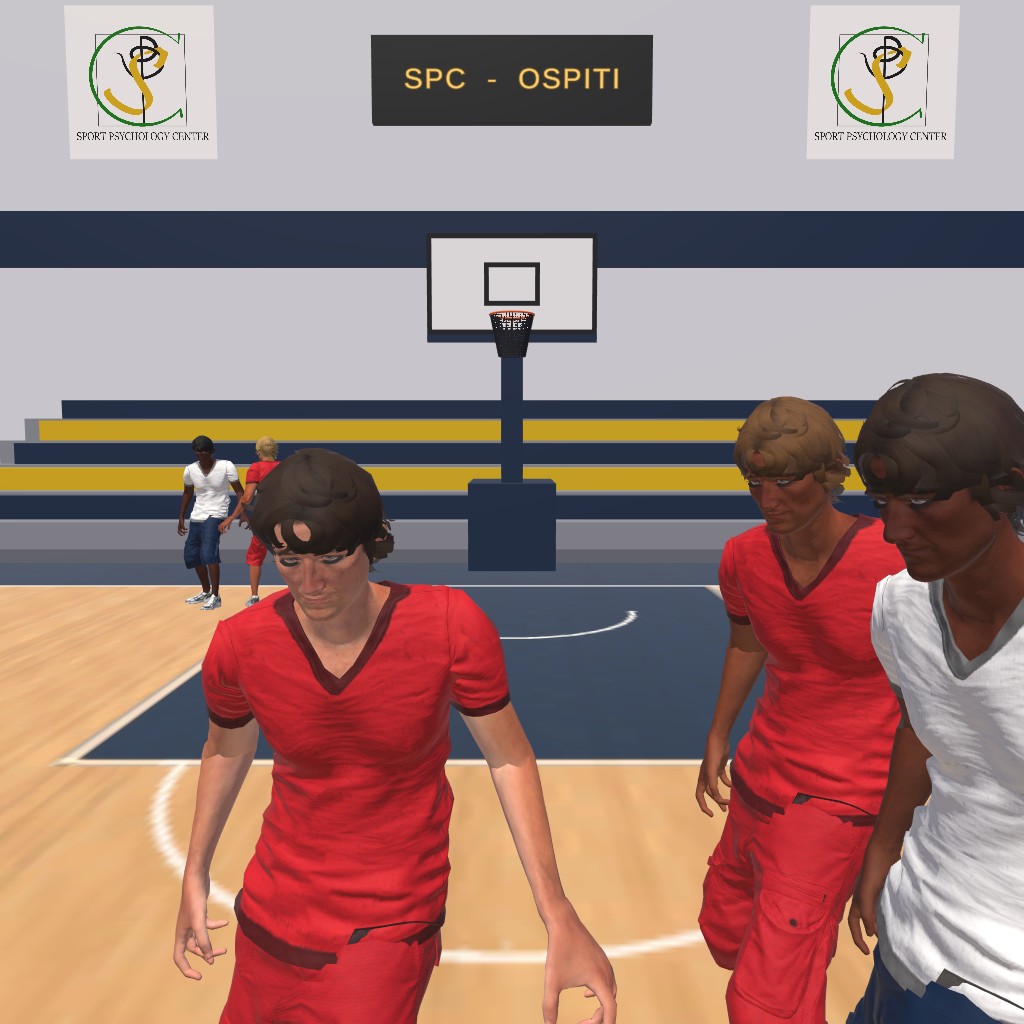
Read the Pick and Roll
You are the ball handler at the top: read the pick and roll coverage and choose in time between shot, roller, drive or open wing. The scene goes dark while the defence moves, then come the feints and game pace.
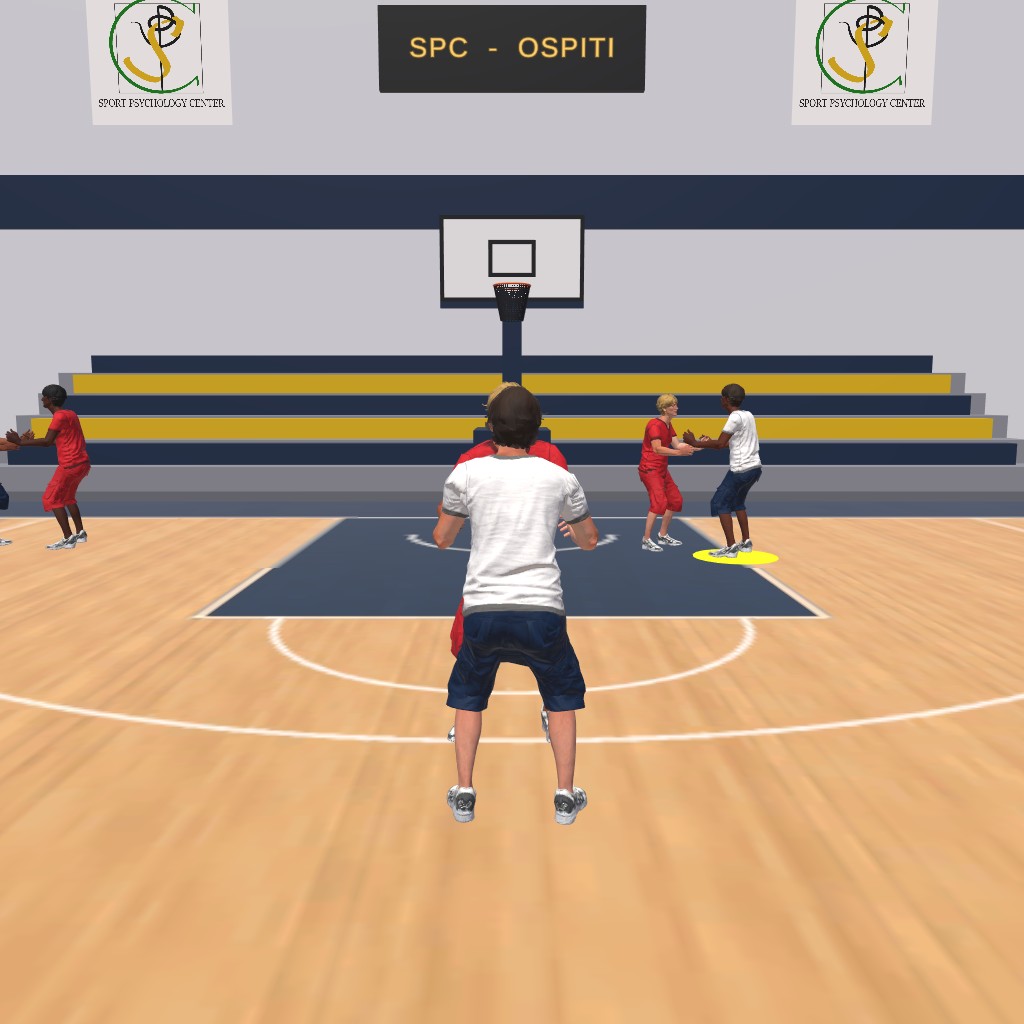
Court Vision
Follow several players together while the play develops, even with the ball in play. If you find them all the speed goes up: this is how you measure your tracking threshold.
Wellbeing and Mindfulness

Relaxation
Within natural settings, such as mountains, beaches, and forests, the athlete will practice controlled breathing with the support of the rhythmic circle, thus working on anxiety management and self-regulation.
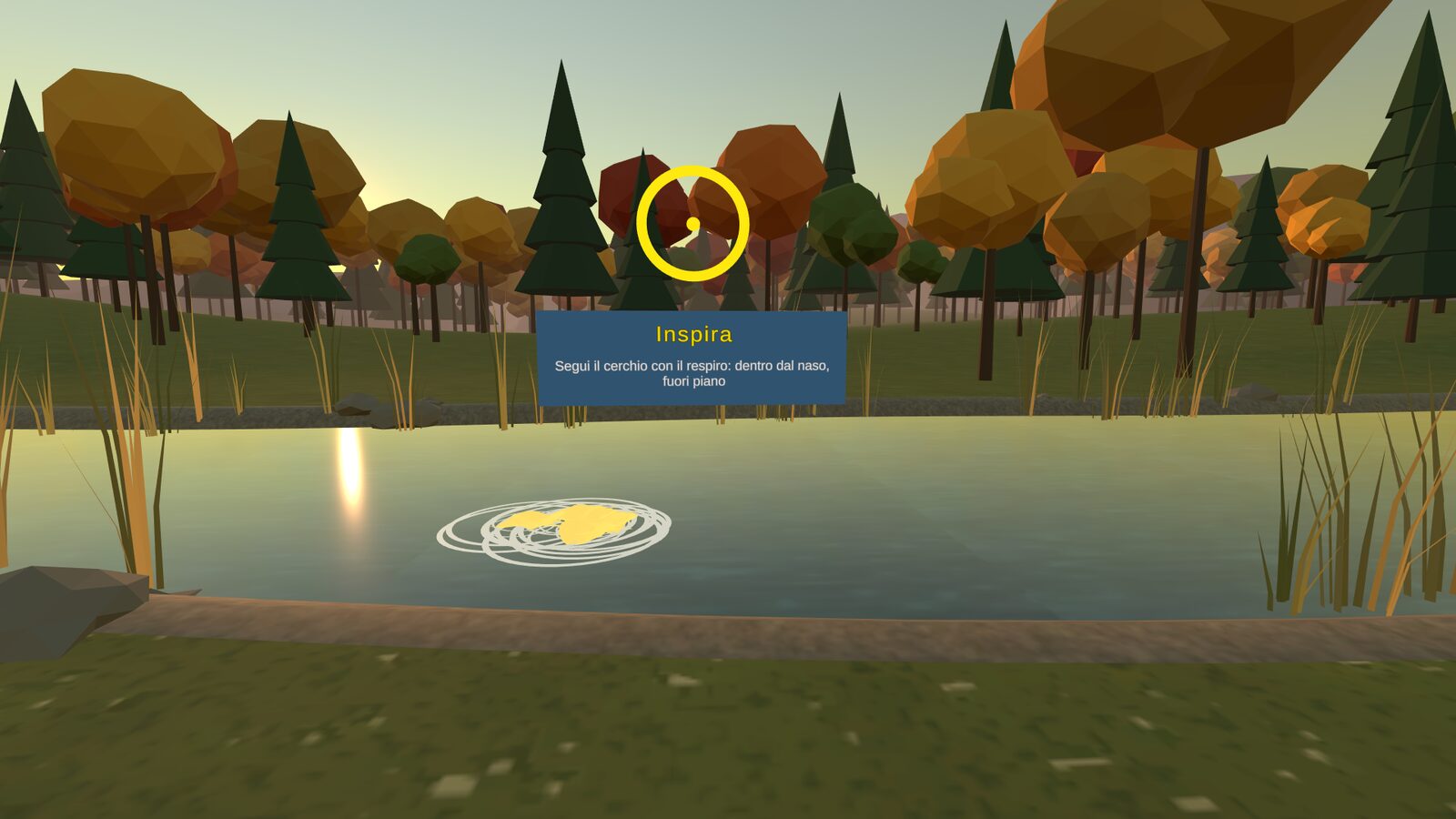
Leaves on the River
Sitting on the bank of a river at sunset, you count your breaths from one to nine. When you notice you have been distracted, you place the thought on a leaf that the current carries away, and start again. Noticing the distraction is not a mistake: it is the exercise itself.
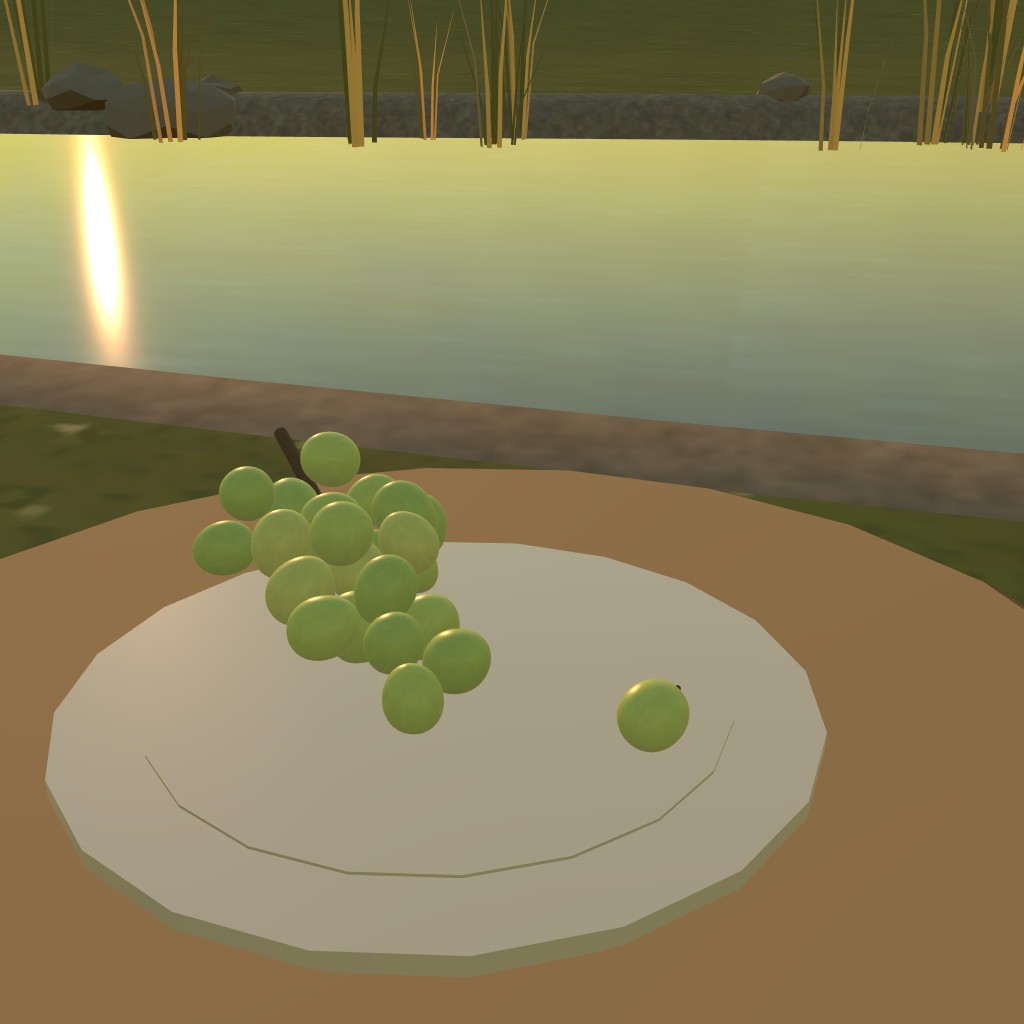
The Grape
Un chicco d'uva da guardare, toccare, annusare e assaggiare come se fosse la prima volta. Dieci passi a tempo, in poco più di cinque minuti, per portare tutta l'attenzione su un gesto semplice.
Rehabilitation
These experiences accompany recovery: they do not treat it and do not replace the work with the doctor and the physiotherapist.
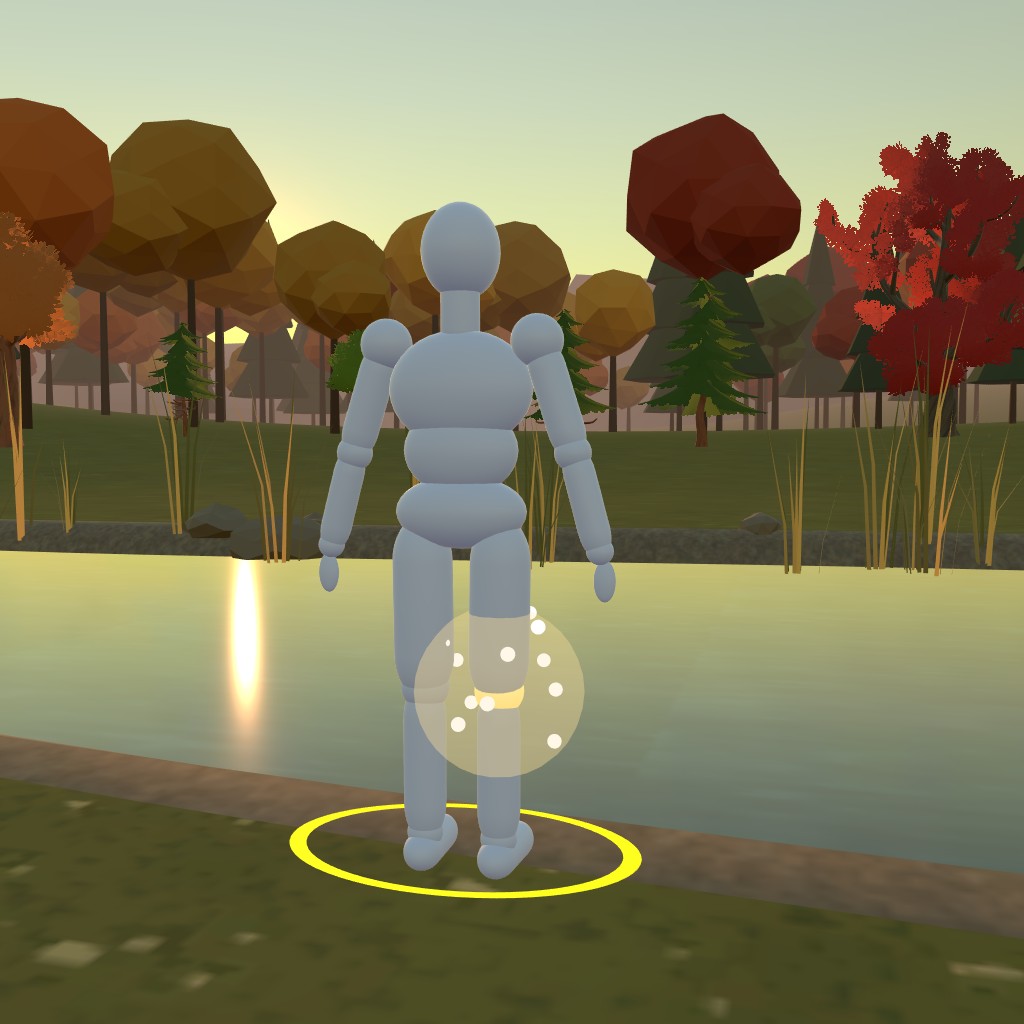
Listen to Your Body
For about ten minutes you listen to your body, one part at a time, and give an image to the work it is doing: breathing and listening that accompany the period of recovery from an injury.
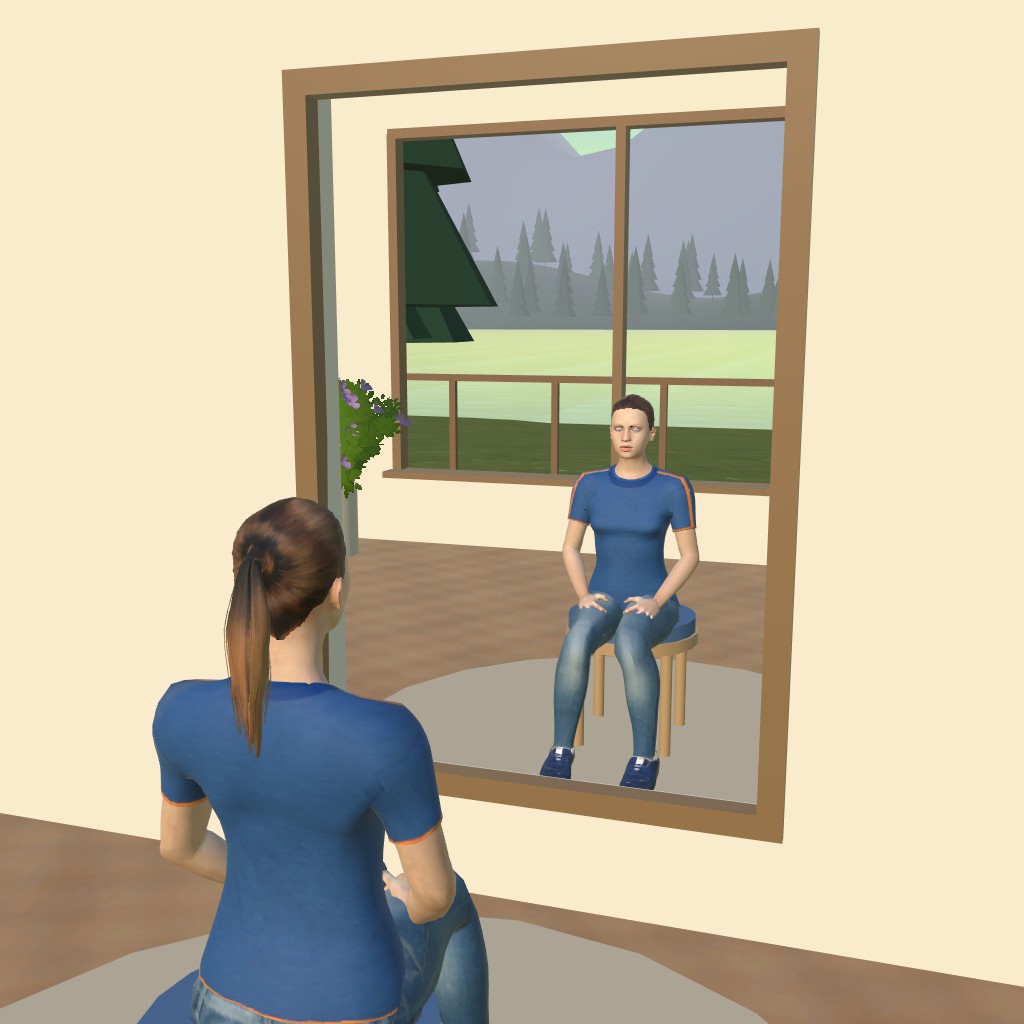
Reconnect with Your Body
In front of the mirror you see yourself, touch yourself, recognise right and left and watch your whole body move, starting from the side that feels fine.
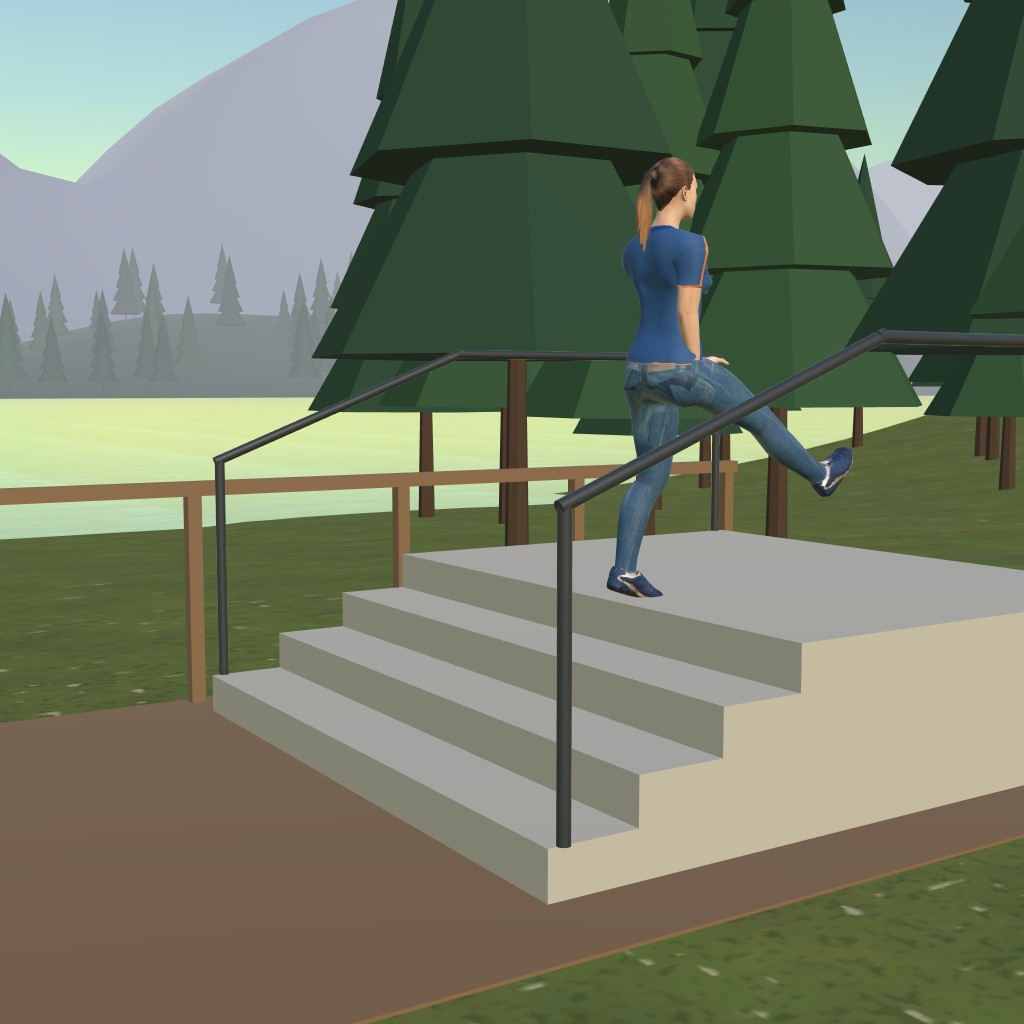
Back in Motion
Look at and imagine everyday movements, from the easiest to the one that worries you most: walking, sitting down, the box, the stairs.
Boxing
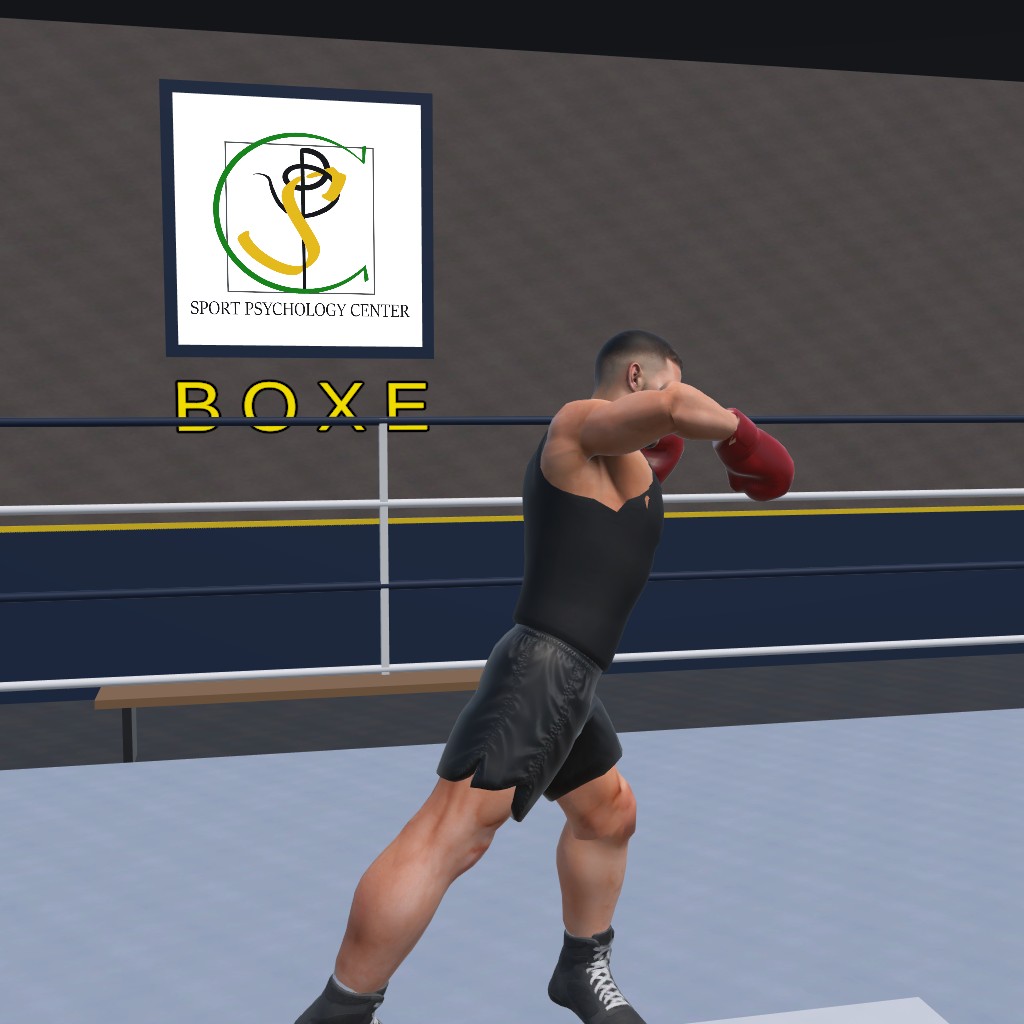
Read the Punch
In the ring, read from your opponent's body which punch is coming before it lands: jab, cross, hook or body shot, then feints and combinations.
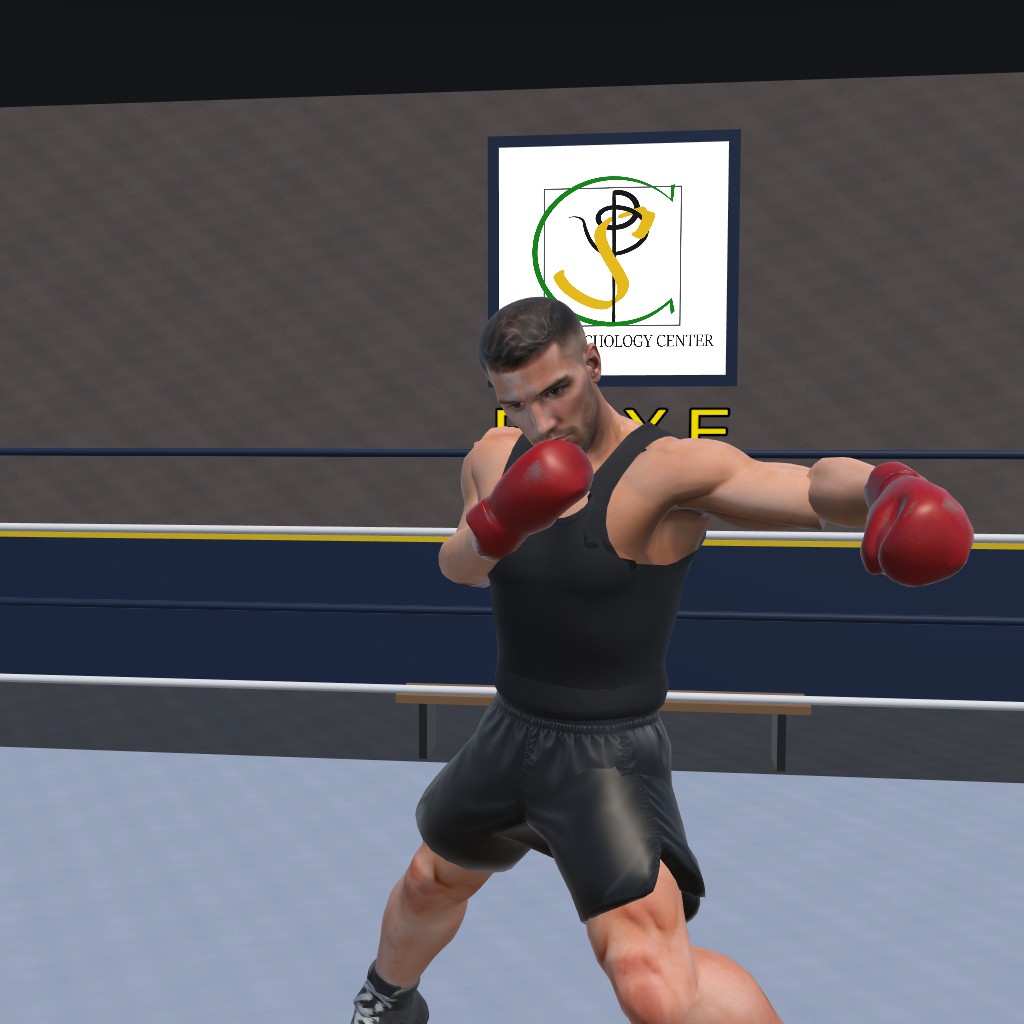
Dodge and Counter
Three rounds as in competition: dodge the punches with your body and answer straight away with a straight punch, at a growing pace.
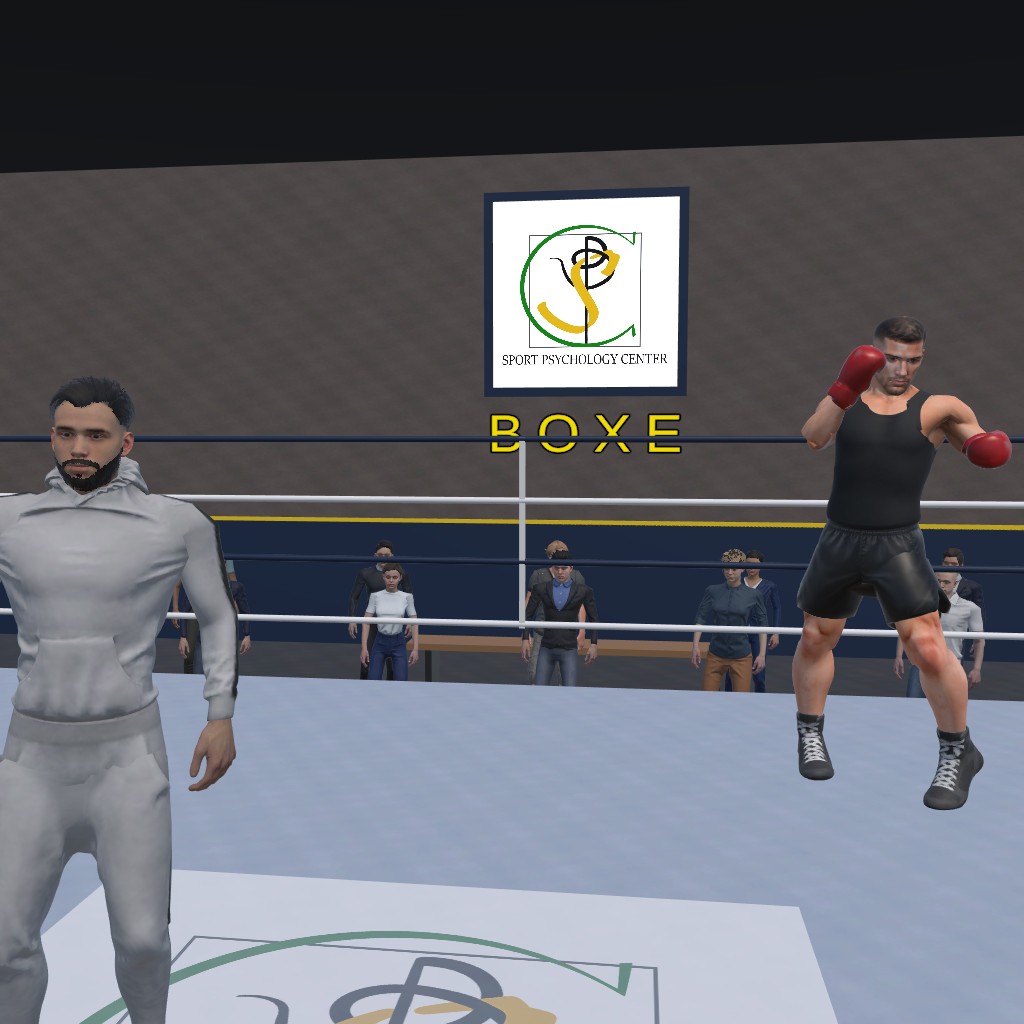
In the Corner
Four rounds under pressure and the minute in the corner with your coach: breath, key word and plan for the next round.
Kart
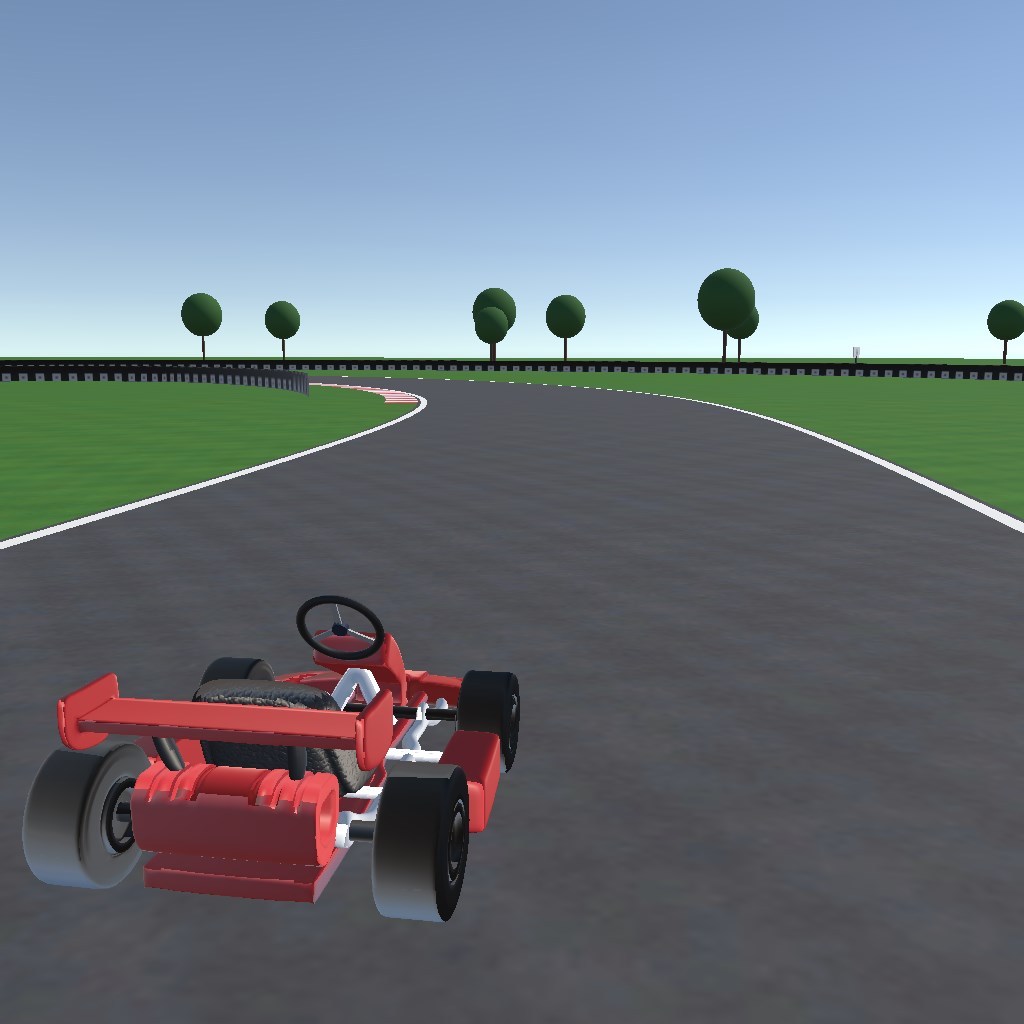
The Mental Lap
Drive the track, then drive it again with your eyes closed: the mental lap of racing drivers.
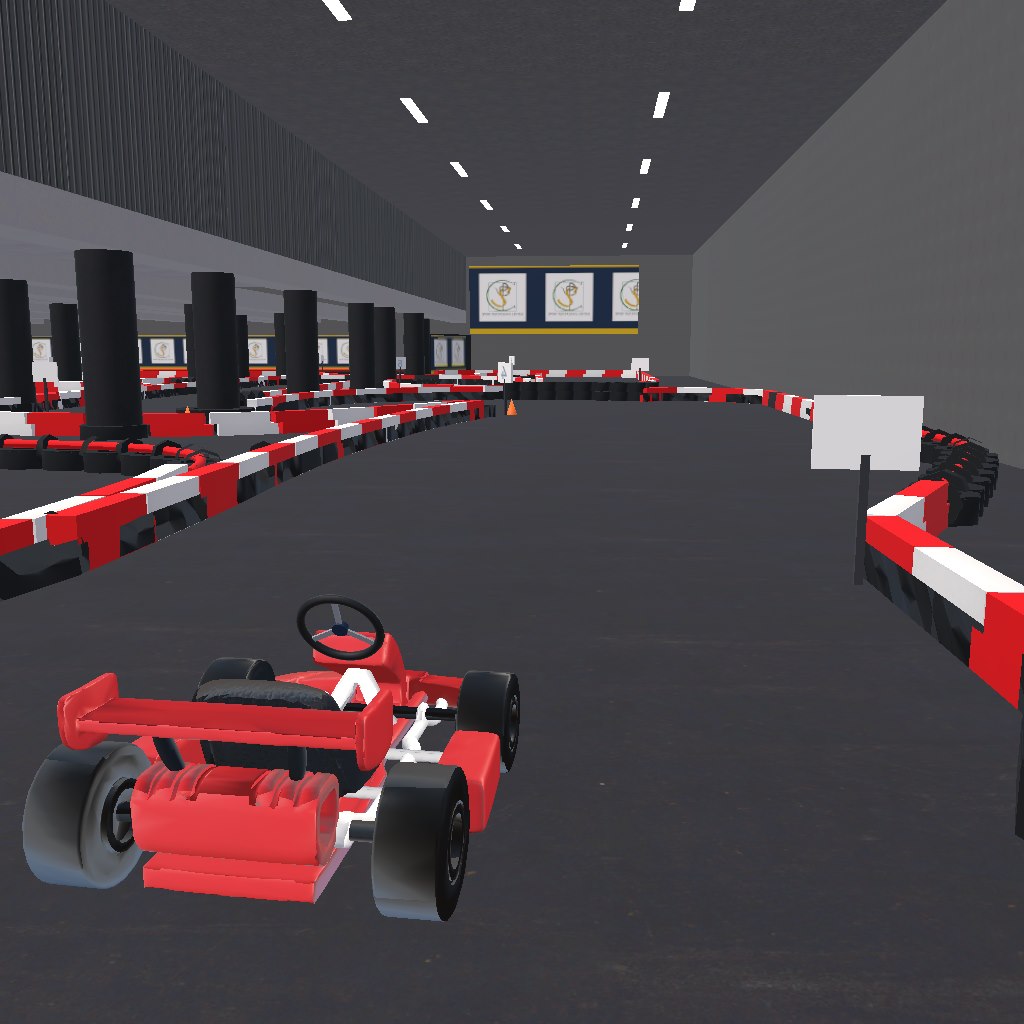
The Indoor Mental Lap
The indoor track, tight and full of hairpins: drive it, then drive it again with your eyes closed.
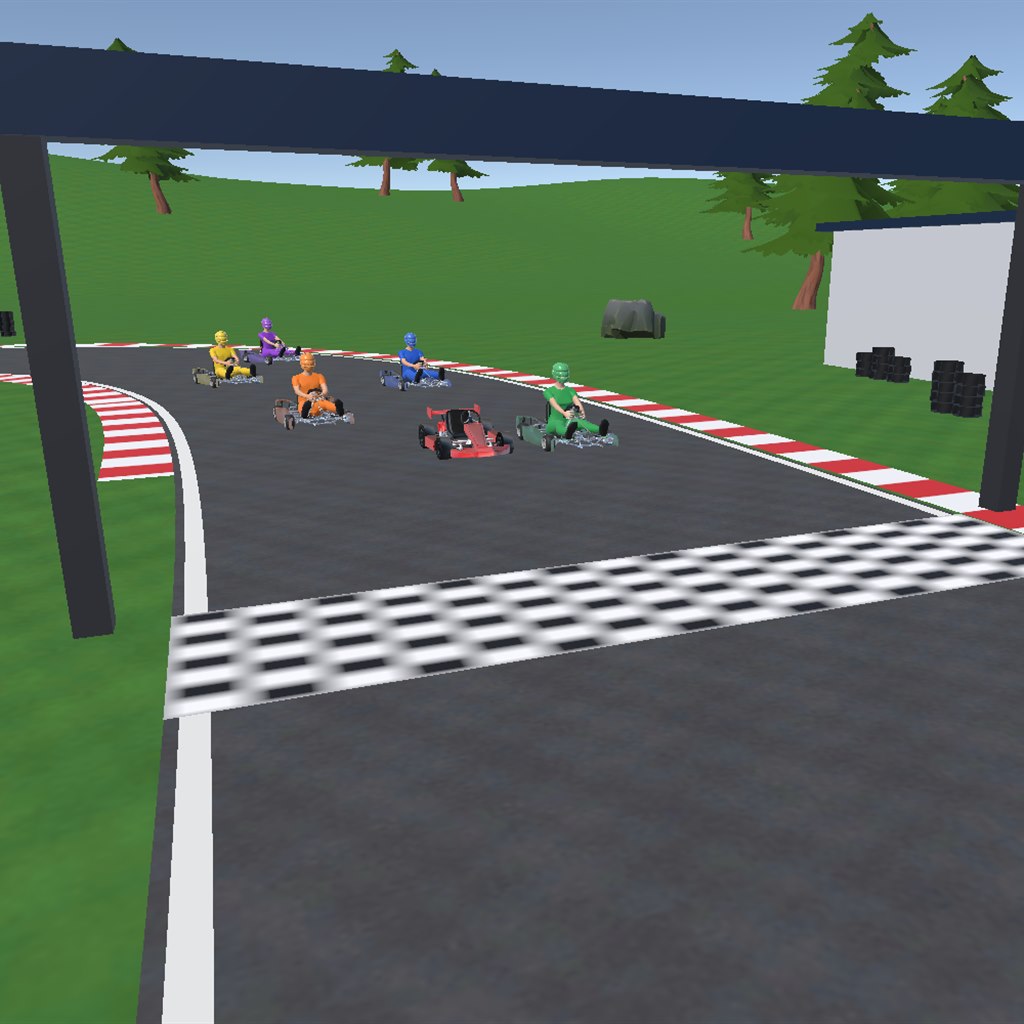
In the Pack
A race with five karts: who is behind you, when to overtake, what the flags are asking.
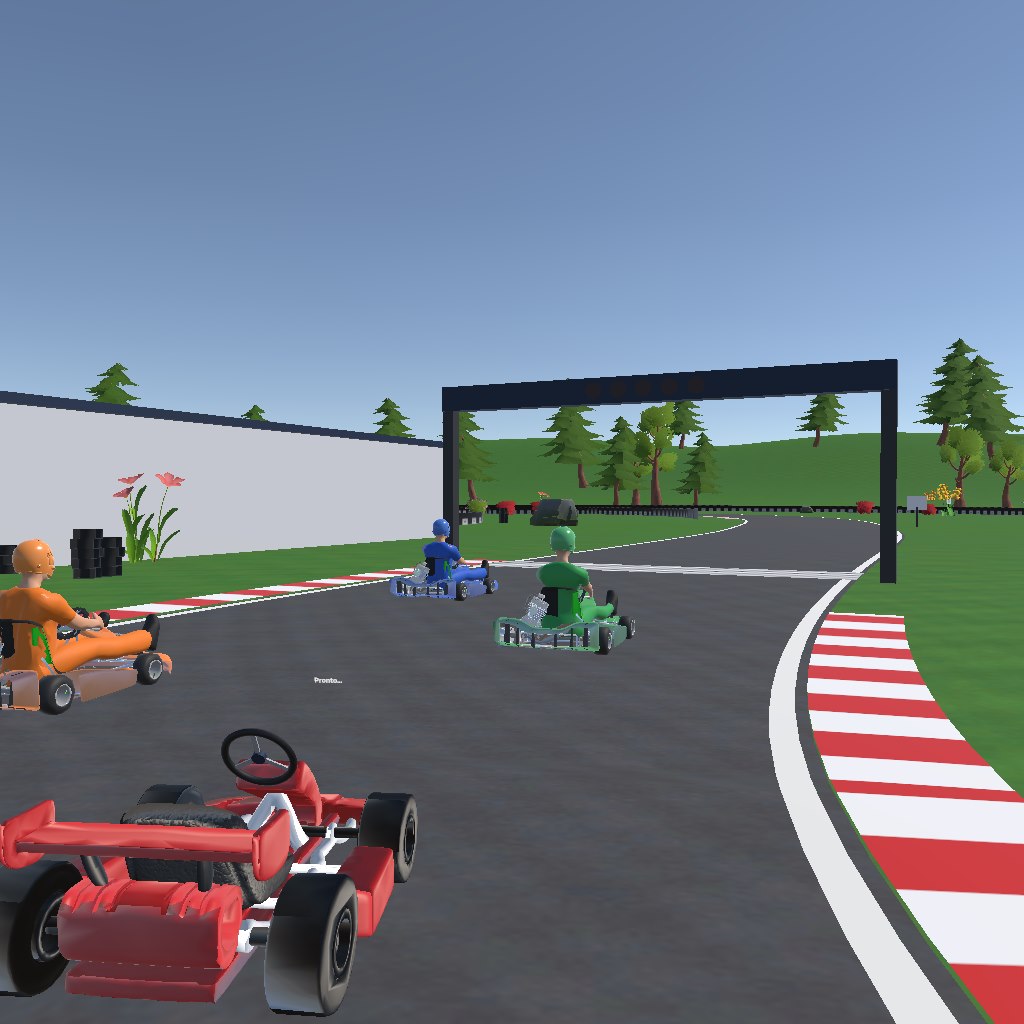
Start Lights
Go on the lights, not before: reaction to the lights and impulse control.
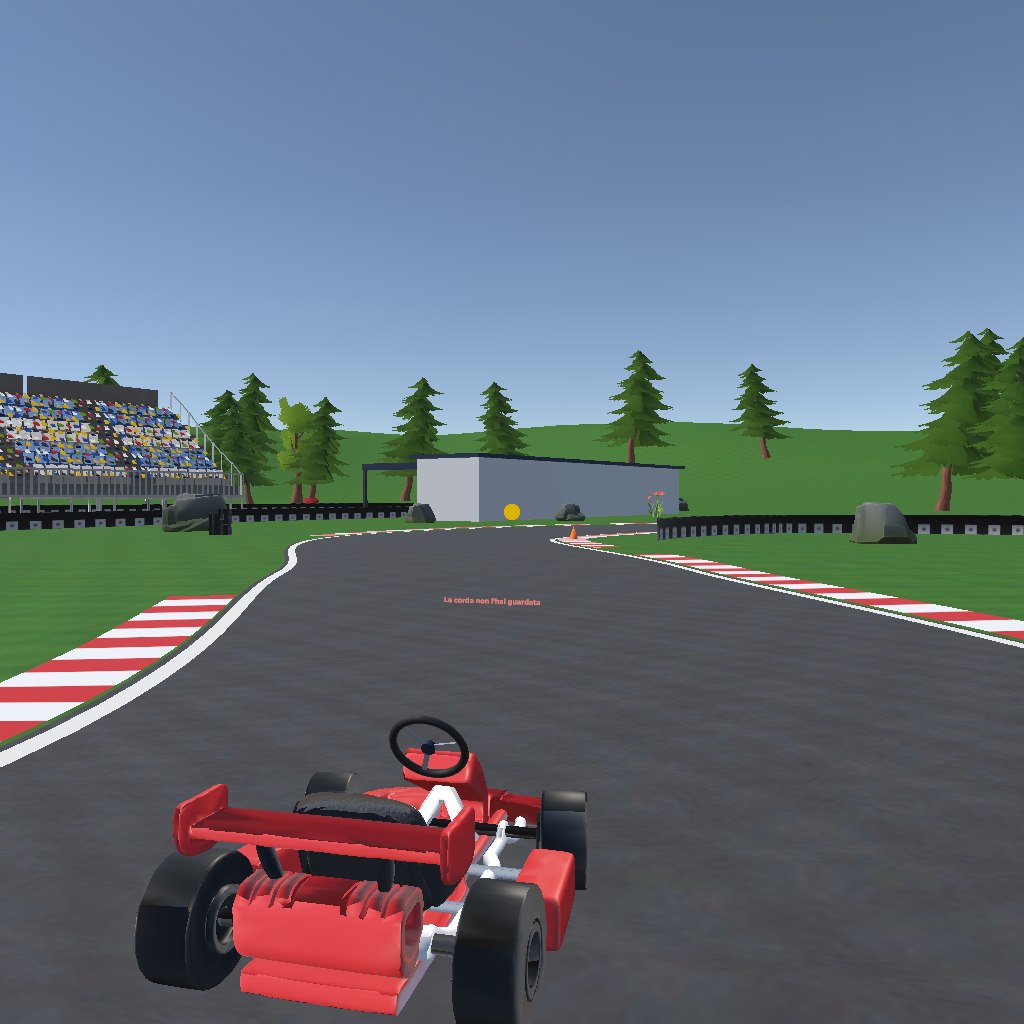
Look into the Corner
Eyes first, then the steering: the head turning into the corner like a racing driver's.
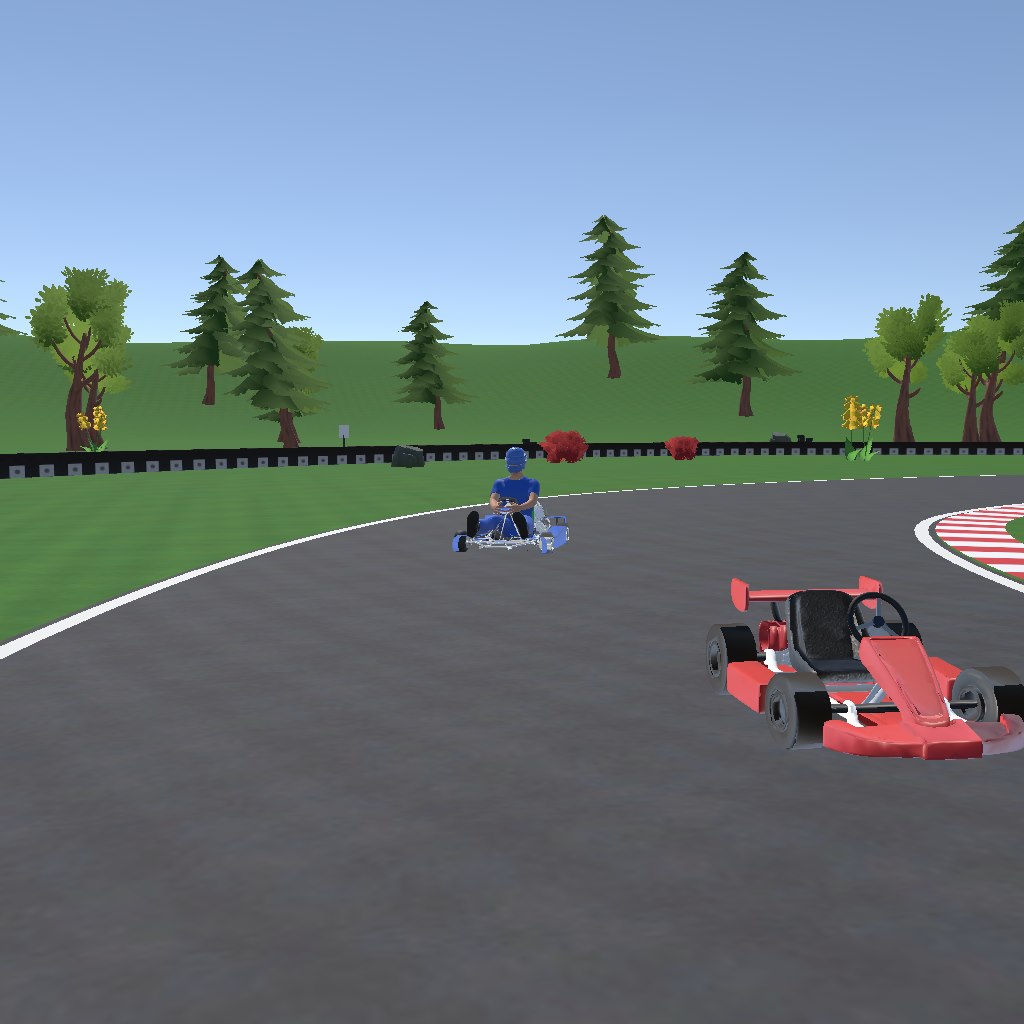
Consistency
Eight identical laps, even with the radio on and a kart right behind you.
Mind Gym
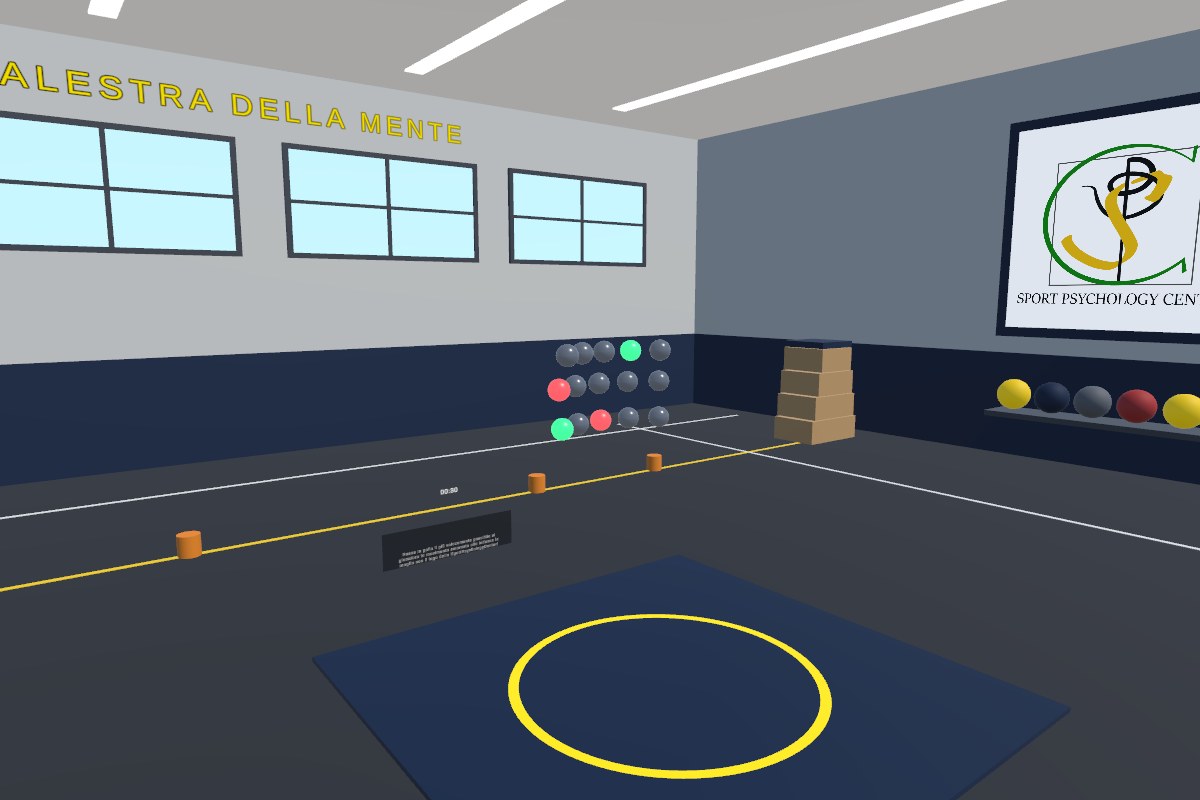
Reaction Lights
The lights of sports centres in the headset: reflexes, colours, periphery, sequence and dual task, always at your limit.
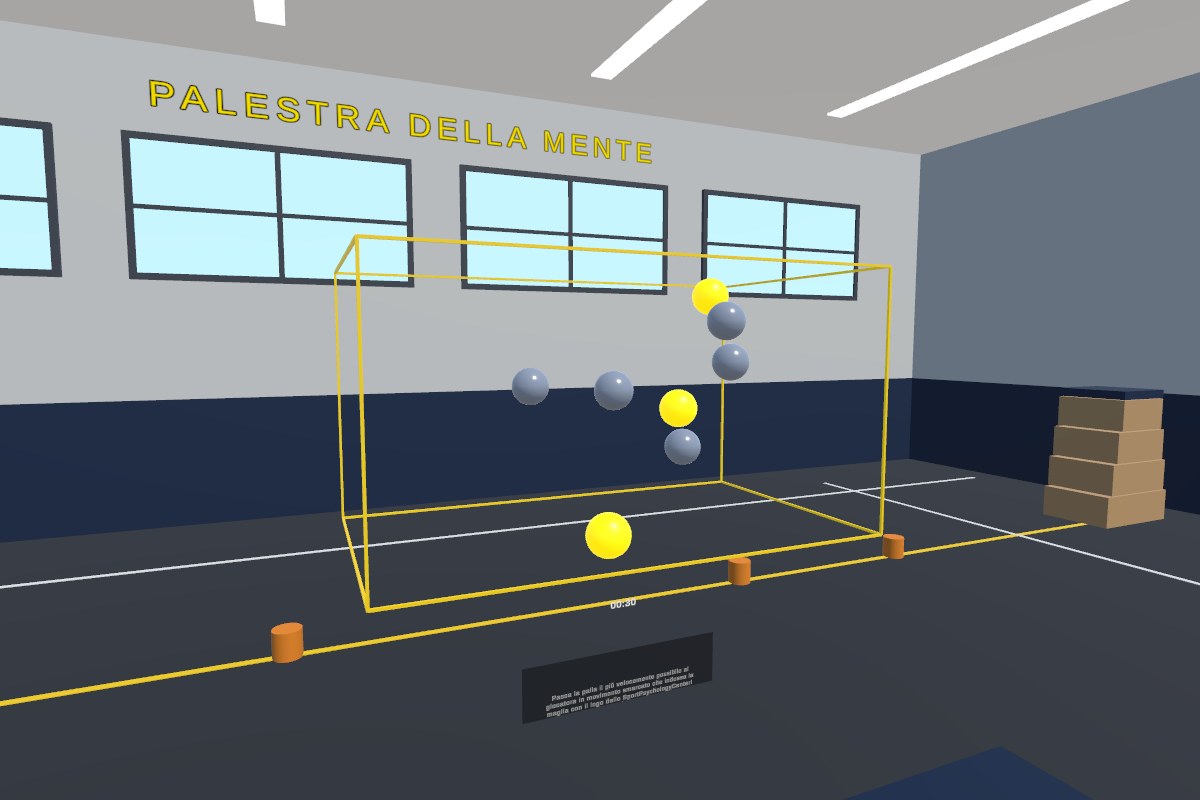
Follow the Targets
Follow with your eyes several targets moving among the others, at increasing speed.
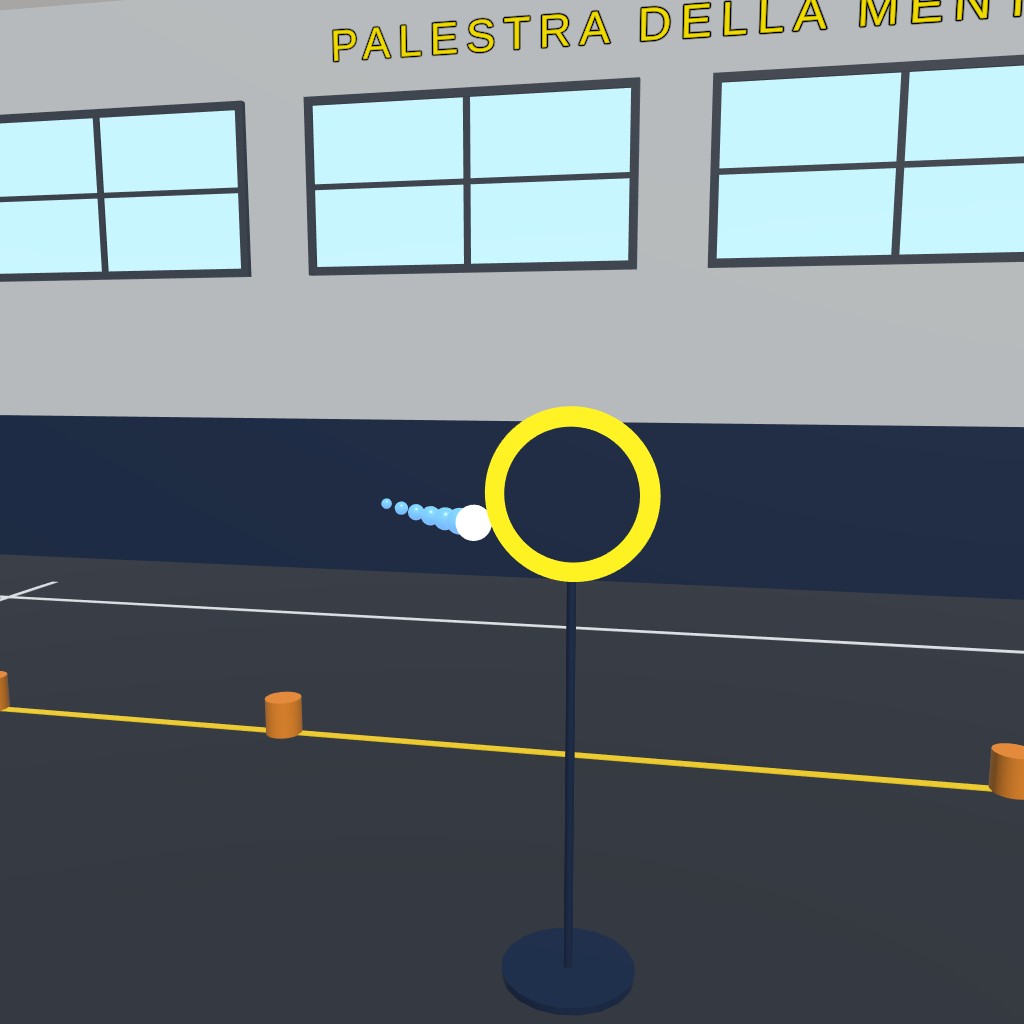
Time to Arrival
A sphere runs towards a ring and at some point disappears: you press at the instant you think it arrives. After two practice trials, thirty trials measure your error in milliseconds.
Even without a headset: the 3D version
The same Experiences, on screenAll 42 Experiences are also available in a 3D version that runs in the browser, from your computer, with no headset needed.
Mouse, keyboard or gamepadYou play with mouse and keyboard or by connecting a USB or Bluetooth gamepad/controller, for more natural control in moments of aiming and reaction.
Perfect for frequent practiceIdeal for those who do not have a headset yet, to train more often between one VR session and the next, or for those who simply prefer the screen.
Results tracked separately3D sessions and virtual reality sessions are recorded as two distinct modes, so you can compare your progress correctly in your report.
Compatible with
Play the way you want
Train your mind during the race
Start your first session, in virtual reality or in 3D, and discover what it can do for your performance.